Phone screen protectors have become an essential accessory for smartphone users, ensuring that their devices remain in pristine condition despite daily wear and tear. Given the rising costs of smartphones, investing in high-quality phone screen protectors can significantly extend the life of your device by shielding it from scratches, cracks, and other forms of damage. Protective phone screen covers not only maintain the visual appeal of your phone but also enhance its resale value. This article aims to delve into the technical aspects of these protective accessories, shedding light on their materials, manufacturing processes, and functionality.
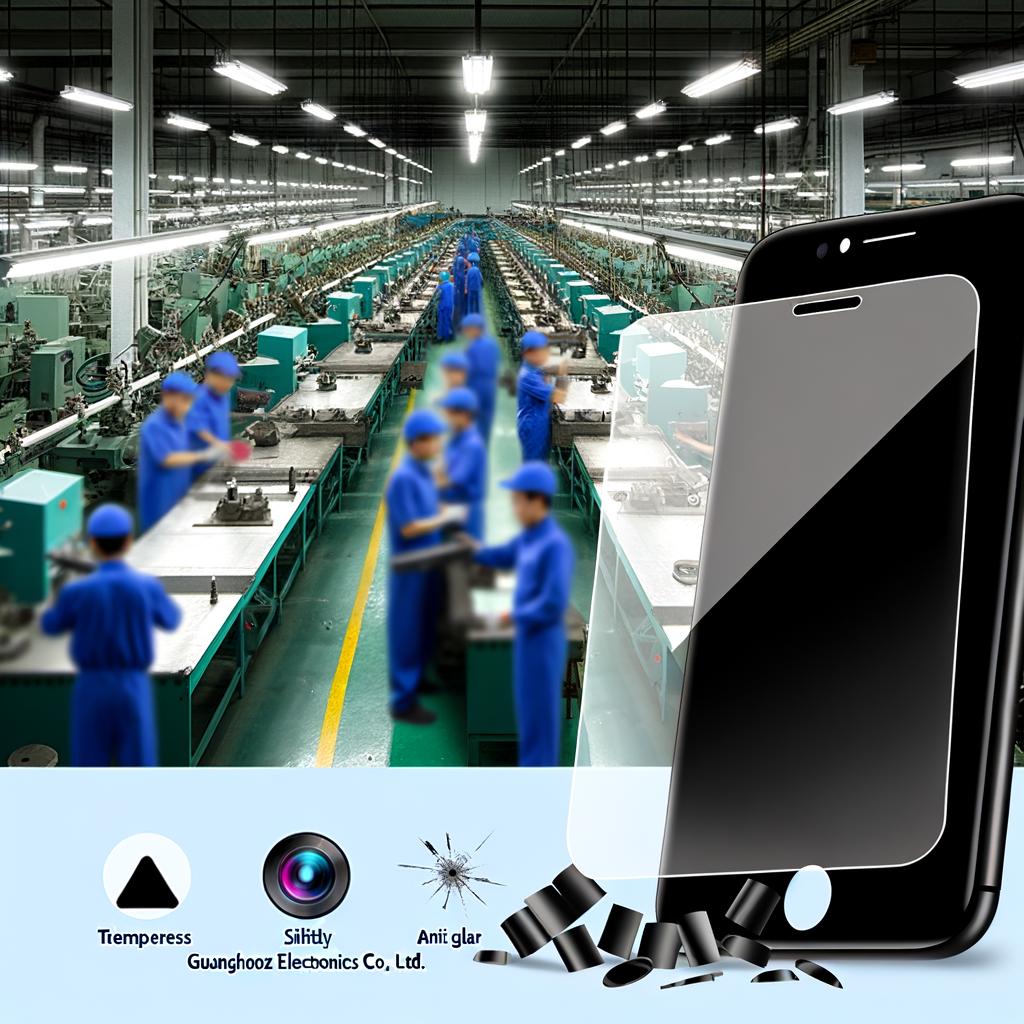
Guangzhou Pinjun Electronics Co., Ltd. has emerged as a prominent player in the market of phone screen protectors. With a solid 15-year background in manufacturing and OEM/ODM services, the company operates from a massive 15000 M2 factory that houses 100 injection machines. This extensive setup enables them to provide one-stop services globally, catering to a diverse customer base in the BtoB sector. The company employs over 200 workers and boasts a robust sales team of 30, ensuring efficient operations and customer service. Their core strength lies in producing high-quality, durable screen protectors that meet global standards.
The materials used in phone screen protectors play a crucial role in determining their effectiveness. The most common materials include tempered glass, PET (Polyethylene Terephthalate), and TPU (Thermoplastic Polyurethane). Tempered glass protectors are highly preferred due to their superior durability and ability to break into small, blunt pieces upon severe impact, thereby reducing injury risks. PET protectors, while thinner and more flexible, offer excellent resistance against scratches. TPU protectors are known for their self-healing properties, making them ideal for minor scratches and abrasions. Each material undergoes rigorous testing and quality control to ensure maximum protection for the phone screens.
The manufacturing process of phone screen protectors involves several technical steps, from material selection to the final quality check. Initially, the raw material is cut into precise dimensions tailored to fit specific phone models. Advanced CNC (Computer Numerical Control) machines are employed to achieve high precision and consistent quality. The protectors are then treated with chemical processes to enhance their hardness and elasticity. A crucial part of the process is the application of adhesive coatings that allow the protectors to stick firmly onto the phone screens without leaving any residue upon removal.
Functionality is another critical aspect to consider when discussing phone screen protectors. These protectors are designed not only to withstand physical damage but also to maintain the touchscreen sensitivity of smartphones. Guangzhou Pinjun Electronics Co., Ltd. ensures that their products offer seamless touchscreen experience, allowing users to enjoy their phones without any hindrance. Additionally, anti-fingerprint and anti-glare features are incorporated to provide a clear and clean display under various lighting conditions.
In conclusion, phone screen protectors are indispensable for anyone looking to preserve the longevity and functionality of their smartphones. Guangzhou Pinjun Electronics Co., Ltd. stands out in the crowded market due to its advanced manufacturing capabilities, high-quality materials, and global outreach. Their commitment to innovation and customer satisfaction has made them a trusted name in the industry. By understanding the technical details and the manufacturing excellence behind these products, consumers can make an informed decision when purchasing screen protectors, ensuring their devices are well-protected for years to come.