This is our independent website, you can check out our products.https://pjcases.com
A modern data cable factory is the birthplace of the essential conduits that power our digital world, connecting everything from simple peripherals to vast global networks. Data cables are more than just wires; they are sophisticated components engineered for reliable and high-speed transmission of information. Understanding how these crucial links are made, from raw material to finished product, can help you appreciate their complexity and make informed choices for your connectivity needs. This guide will walk you through the intricacies of data cable production, shine a spotlight on specialized types like fiber optic cables, and explain what to look for when selecting the right cable.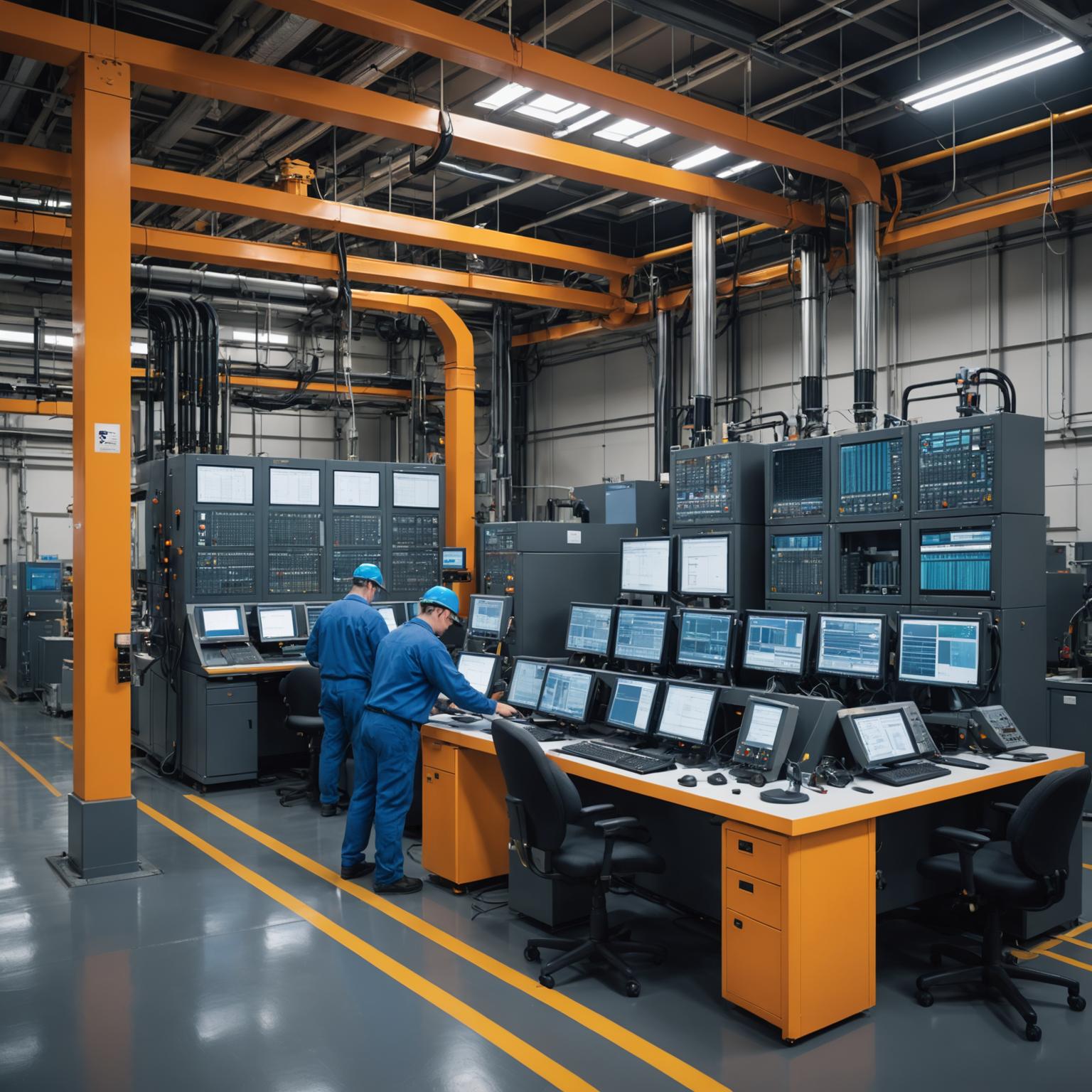
Understanding the Data Cable Production Process
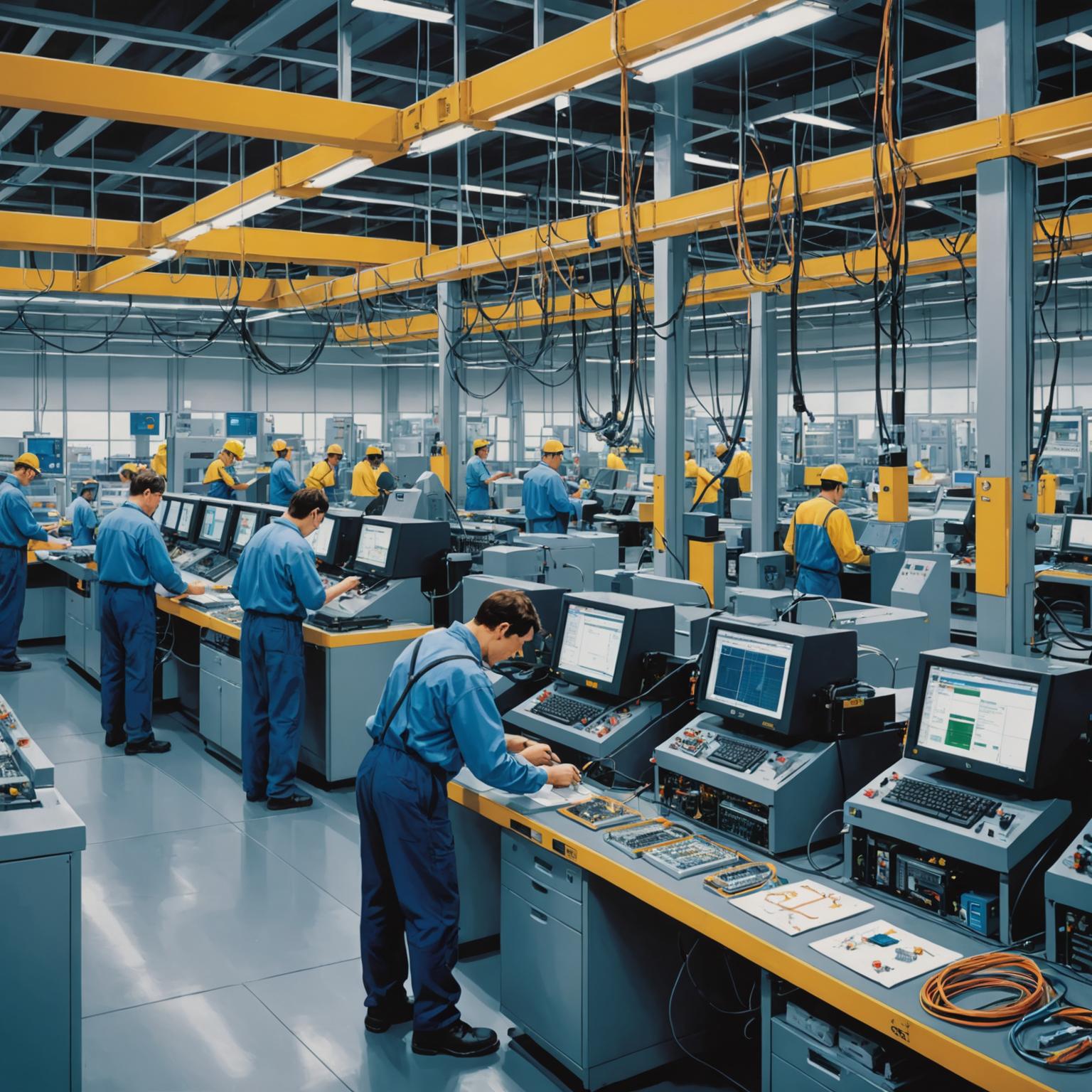
The journey of a data cable begins deep within a manufacturing facility, where a precise data cable production sequence ensures each cable meets stringent performance standards. It starts with the selection of high-quality raw materials, primarily copper for conductors (though sometimes aluminum) and various plastics like PVC or LSZH (Low Smoke Zero Halogen) for insulation and jacketing. For copper cables, the process involves drawing copper rods into fine wires, which are then stranded together to form the core conductors. Each conductor is then coated with an insulating material, often color-coded for identification. Multiple insulated conductors might be twisted into pairs, as seen in Ethernet cables, to reduce electromagnetic interference. These pairs or individual conductors are then bundled together, sometimes with additional shielding (like foil or braiding) to protect against external noise, before an outer protective jacket is extruded over the entire assembly. Finally, connectors are meticulously attached to the cable ends, followed by rigorous testing to ensure signal integrity, durability, and adherence to specifications.
Spotlight on Fiber Optic Cables
Among the most advanced products emerging from a specialized data cable factory are fiber optic cables. Unlike traditional copper cables that transmit electrical signals, fiber optic cables use pulses of light to carry information through thin strands of glass or plastic. The production of optical fiber itself is a highly controlled process, often involving drawing highly purified silica glass into incredibly fine filaments. These optical fibers are then coated with protective layers and bundled into cables, which can also include strength members and an outer jacket for durability. Fiber optic cables offer significant advantages over copper, including vastly superior bandwidth, much higher speeds, longer transmission distances without signal degradation, and complete immunity to electromagnetic interference. This makes them indispensable for high-speed internet backbones, telecommunications, data centers, and increasingly for high-performance local area networks. The precision required in their manufacture is a testament to modern engineering.
Quality Control: The Cornerstone of a Reliable Data Cable Factory
Quality control is paramount in any reputable data cable factory, ensuring that every product leaving the facility performs reliably and safely. This involves a battery of tests at various stages of data cable production and on the final product. Electrical tests check for continuity, resistance, capacitance, and signal integrity, ensuring data can flow without loss or corruption. Mechanical tests assess the cable’s tensile strength, flexibility, and the durability of connectors. For cables like fiber optic cables, specific optical tests measure attenuation (signal loss) and bandwidth. Adherence to industry standards such as those from TIA/EIA, ISO/IEC, and for specific applications like USB or HDMI, is crucial. Factories often seek certifications to demonstrate compliance, giving consumers confidence in the product’s quality and performance, much like one would expect from durable universal charging cables designed for long-term use.
Choosing the Right Data Cable for Your Needs
Selecting the appropriate data cable depends heavily on your specific application. First, consider the type of data and the devices you are connecting. For networking, you’ll look at Ethernet cables like Cat 6 or Cat 6a for high-speed internet and local network connections. For connecting peripherals to your computer, USB cables (Type-A, Type-C, Micro USB) are common, with different versions offering varying data transfer speeds and power delivery capabilities. If your priority is maximum bandwidth over long distances, especially in environments with high interference, then fiber optic cables might be the optimal choice, though they require compatible equipment. Consider the required length, as signal integrity can degrade over excessive distances, particularly with lower quality cables. Also, the environment matters; outdoor or industrial settings might necessitate cables with more robust jacketing and weather resistance. Pay attention to connector types to ensure compatibility and look for cables built for durability, especially if they will be frequently plugged and unplugged.
The Future of Data Transmission: Innovations from the Factory Floor
The world of data transmission is constantly evolving, and the data cable factory is at the forefront of these advancements. Research and development drive the creation of cables that can handle ever-increasing data rates, support new technologies, and offer improved durability and flexibility. Innovations in materials science are leading to more efficient conductors and more environmentally friendly jacketing compounds. The ongoing refinement of data cable production techniques aims to reduce manufacturing costs while enhancing performance. For example, USB-C is becoming a universal standard not just for data but also for power delivery, simplifying connectivity. In the realm of fiber optic cables, efforts continue to increase fiber density, reduce signal loss further, and make deployment easier and more cost-effective. These advancements ensure that our digital infrastructure can keep pace with the growing demands for faster, more reliable communication.