
Understanding the Heart of Connectivity: Inside a Modern Data Cable Factory
In our digitally driven world, the seamless flow of information and power is paramount, and at the core of this connectivity is the humble yet crucial data cable. A modern data cable factory is a sophisticated hub of innovation and precision engineering, dedicated to producing the lifelines for our countless devices. From the high-speed USB cables that power next-generation charging solutions and facilitate rapid data transfer, to the intricate network cables that form the backbone of our internet infrastructure, these facilities are responsible for crafting the links that keep us connected. Understanding how these essential components are made offers insight into the technology we often take for granted.
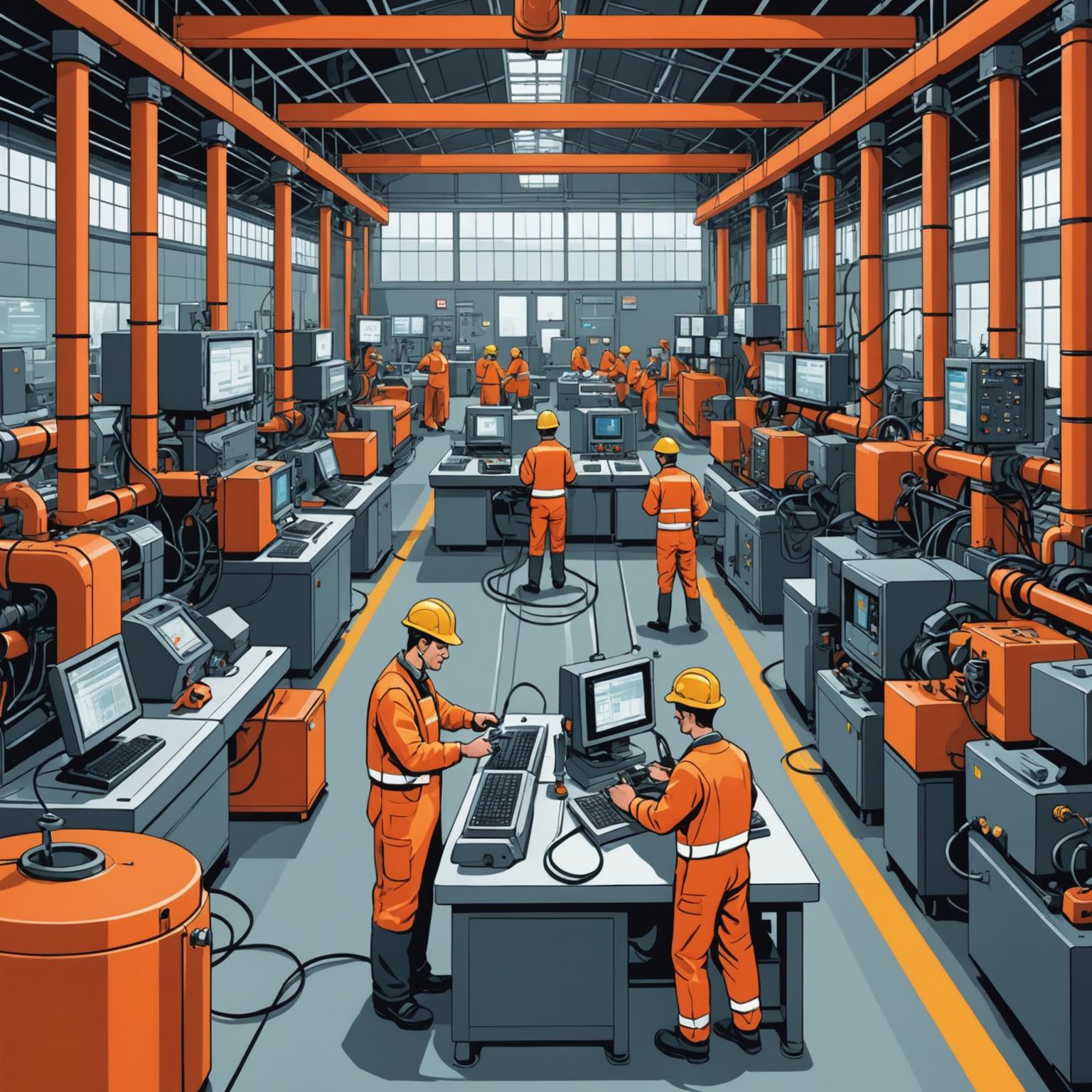
Laying the Groundwork: Design and Raw Material Selection in Data Cable Production
The journey of every data cable begins long before the manufacturing floor, starting with meticulous design and stringent material selection. This initial phase of data cable production is critical, as it dictates the cable’s performance, durability, and suitability for its intended application. Engineers design cables to meet specific standards for data transfer rates, power delivery, and environmental resilience. High-quality raw materials are then sourced, including high-purity copper for conductors, various grades of plastics like PVC or TPE for insulation and jacketing, and, for fiber optic cables, ultra-pure glass or plastic preforms. The selection process ensures that the final product will be reliable and efficient, whether it’s a robust cable for a multi-directional power hub or a flexible one for portable wireless charging pads.
The Art of Assembly: Core Manufacturing Processes for Data Cables
Once designs are finalized and materials are procured, the actual assembly process begins. For traditional copper-based data cables, this involves several key steps. First, copper rods are drawn through dies to achieve the desired conductor thickness. These individual wires are then coated with insulating material through an extrusion process. Depending on the cable type (e.g., Ethernet, USB), these insulated wires may be twisted into pairs to reduce electromagnetic interference. Subsequently, multiple pairs or conductors might be bundled together, often with shielding elements like aluminum foil or braided copper mesh to further protect data integrity. Finally, an outer protective jacket is extruded over the entire assembly, providing durability and resistance to external factors. This precise data cable production ensures that each cable, like those used for dual-port wired charging, performs optimally.
Illuminating Connections: The Specialized Craft of Fiber Optic Cables
The manufacturing of fiber optic cables represents a specialized segment within a data cable factory, requiring even greater precision. The process typically starts with a glass preform, which is a large-diameter rod of highly purified glass. This preform is heated and drawn into incredibly thin strands of optical fiber, sometimes kilometers long. Each delicate fiber is immediately coated with a protective layer to preserve its strength and optical properties. Multiple coated fibers may then be bundled together, often with strength members like aramid yarn, and encased within buffer tubes for added protection. The final stage involves applying an outer jacket, similar to copper cables, to create the robust fiber optic cables essential for high-speed internet, telecommunications, and advanced medical equipment. The precision in crafting these cables is paramount for ensuring clear, fast data transmission.
Assuring Excellence: Rigorous Quality Control in Cable Manufacturing
Quality assurance is a non-negotiable aspect throughout the entire data cable production process. Reputable factories implement comprehensive testing protocols at various stages to ensure every cable meets stringent performance and safety standards. These tests include electrical evaluations such as continuity checks, resistance measurements, signal integrity assessments (like attenuation and crosstalk for data cables), and high-voltage tests for power-carrying cables. Mechanical tests assess tensile strength, flexibility, and bend radius, ensuring the cable can withstand real-world usage. For fiber optic cables, optical tests like insertion loss and return loss are critical. This rigorous quality control ensures that the end-user receives a reliable product, capable of supporting everything from simple device charging to complex data communication networks, and preventing issues with crucial accessories like wearable-specific docks.
Powering the Future: Innovation and Sustainability in Data Cable Factories
A data cable factory is not just a place of manufacturing; it’s also a center for innovation, constantly striving to meet the evolving demands of technology. This includes developing cables that support higher data transfer speeds, increased power delivery for fast charging, enhanced durability, and smaller form factors. Many factories are also increasingly focused on sustainable practices, exploring eco-friendly materials and energy-efficient production methods. By pushing the boundaries of cable technology, these facilities play a vital role in enabling the next generation of electronics, from sophisticated power bank utilities to the interconnected smart homes and cities of the future. Their commitment to quality and innovation ensures that the physical links of our digital world remain strong and capable.