
Understanding In-Ear Headphones
This is our independent website, you can check out our products.https://pjcases.com
The world of personal audio is vast, but few devices offer the unique combination of portability and immersive sound quite like in-ear headphones. These compact audio delivery systems, often referred to as a type of earphone, are designed to be inserted directly into the ear canal. This distinct design provides a more direct path for sound to reach the eardrum, leading to a potentially more detailed and engaging listening experience compared to other earphone types that sit on the outer ear. Their prevalence has grown immensely, catering to a wide range of users from casual listeners to discerning audiophiles.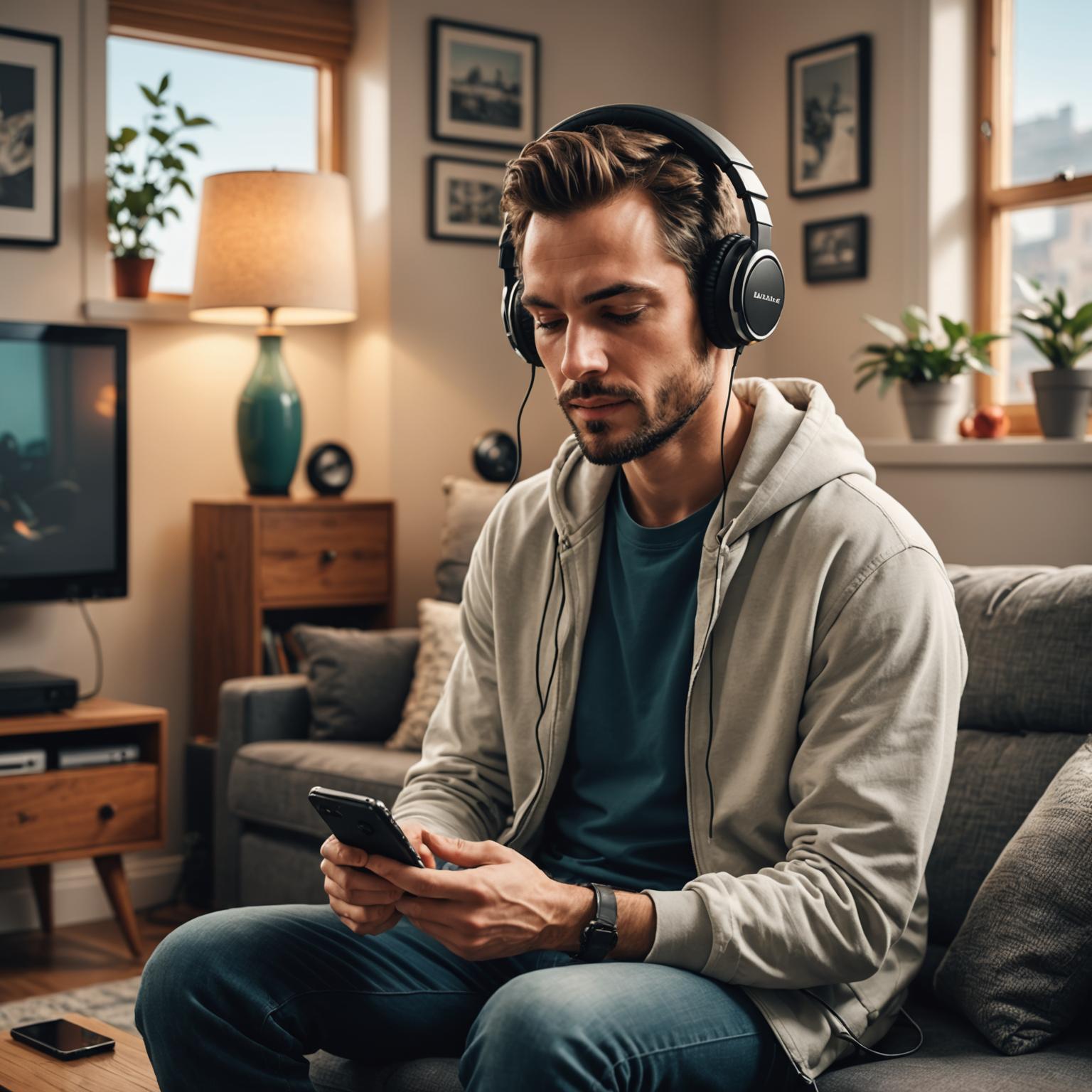
The Core Technology: Drivers and Acoustic Design
At the heart of any in-ear headphone lies its driver technology, which converts electrical signals into sound waves. The most common type is the dynamic driver, known for its ability to produce robust bass frequencies and a warm sound signature. These drivers are essentially miniature versions of traditional loudspeaker drivers. Alternatively, balanced armature (BA) drivers, originally developed for hearing aids, are favored for their precision, speed, and detailed reproduction of mid and high frequencies. BA drivers are often smaller, allowing manufacturers to incorporate multiple drivers within a single earpiece, each tuned to a specific frequency range. Hybrid designs combine both dynamic and BA drivers to leverage the strengths of each technology. The acoustic design is further enhanced by the seal created by the eartips within the ear canal, which significantly impacts bass response and overall sound clarity.
Superior Sound Isolation and Portability
One of the primary technical advantages of in-ear headphones is their capacity for superior sound isolation. By forming a seal within the ear canal, they physically block out a significant amount of ambient noise. This passive noise isolation allows users to listen at lower volumes, which can be beneficial for hearing health, and enhances the clarity of the audio by reducing interference from external sounds. This characteristic makes them ideal for commuting, office environments, or any situation where focused listening is desired. Furthermore, their diminutive size and light weight make this particular earphone style exceptionally portable, easily fitting into a pocket or small carrying case.
Factors to Evaluate Before Purchasing In-Ear Headphones
Choosing the right pair of in-ear headphonesQuad IEM involves considering several technical factors to match your listening preferences and use case. Fit and comfort are paramount; since they sit inside the ear canal, a proper seal is crucial not only for comfort during extended listening sessions but also for optimal sound quality, particularly bass response. Most models come with various sizes and types of eartips (e.g., silicone, foam) to achieve this. Sound signature—whether you prefer a neutral, analytical sound, a warm, bass-heavy profile, or bright, detailed highs—is another key consideration, often dictated by driver configuration and tuning. Build quality, cable detachability (for longevity and customization), and the choice between wired and advanced true wireless in-ear headphones are also important points to evaluate.
Wired vs. Wireless: Connectivity Choices
The choice between wired and wireless in-ear headphones presents a trade-off based on priorities. Traditional wired options typically offer a direct, uncompressed audio signal, potentially leading to higher fidelity for a given price point, and they don’t require batteries, ensuring they’re always ready to use. They are often preferred by audiophiles for critical listening. Conversely, wireless in-ear headphones, especially true wireless stereo (TWS) models, provide unparalleled convenience and freedom of movement, eliminating tangled cables. These utilize Bluetooth technology for connection, which involves audio compression codecs (like SBC, AAC, aptX) that can affect sound quality. Battery life, charging convenience, and potential latency (delay between audio and video) are key technical aspects to examine with any wireless earphone.
Maintaining Your In-Ear Audio Companions
Proper care and maintenance are essential to prolong the life and performance of your in-ear headphones. Regularly clean the eartips to remove earwax and debris, which can affect sound quality and hygiene. If the eartips are removable, they can often be washed gently with mild soap and water (ensure they are completely dry before reattaching). Store your headphones in a protective case when not in use to prevent cable damage or crushing. For wired models, avoid tightly wrapping the cable around devices, as this can strain the internal wires. Lastly, always be mindful of listening volumes to protect your hearing from potential long-term damage. Consistent, thoughtful care ensures your audio investment continues to deliver optimal performance.