
What Exactly is a Data Cable and Why Is It Essential?
This is our independent website, you can check out our products.https://pjcases.com
In our digitally connected world, the humble data cable is an unsung hero, quietly ensuring our devices stay charged and our information flows freely. But what is it? A data cable is a physical medium designed to transfer digital information between two devices, such as a smartphone and a computer, while often simultaneously providing electrical power to charge one of the devices. From syncing photo libraries to simply powering up for the day, having a reliable cable is crucial for the seamless operation of our most-used gadgets. Understanding the different types and features is the first step toward avoiding the frustration of slow transfers or charging failures.
What Are the Main Types of USB Data Cables?
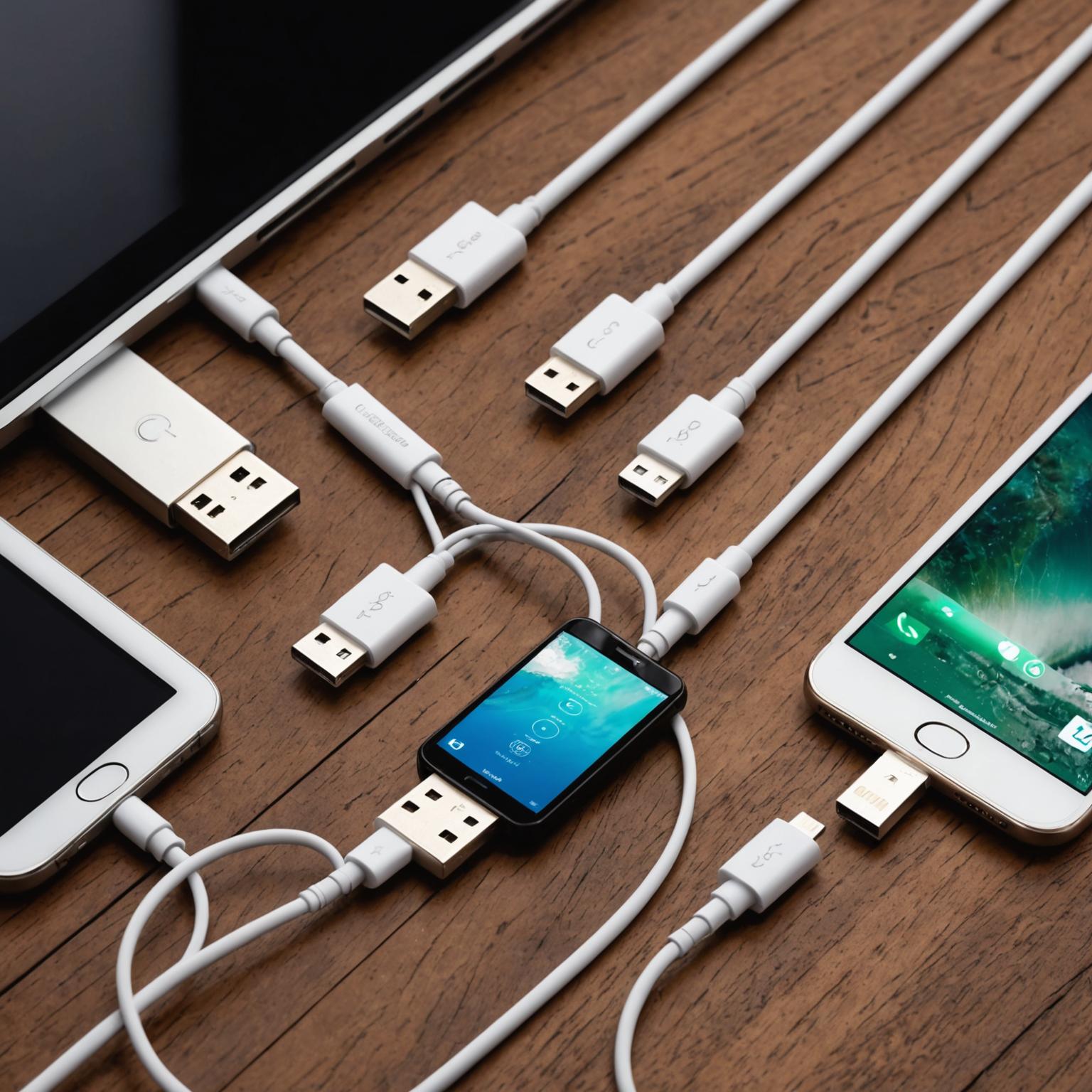
When people talk about cables for phones and modern electronics, they are most often referring to a USB data cable. However, not all USB cables are the same, and the connector type is the most visible difference. The most common types you’ll encounter are USB-A, the classic rectangular connector found on chargers and computers; Micro-USB, the older, smaller standard for many Android devices and accessories; USB-C, the modern, oval-shaped reversible connector that offers faster speeds and more power; and the Lightning connector, which is Apple’s proprietary plug for iPhones. A USB-C type USB data cable is quickly becoming the universal standard due to its versatility and superior performance in both charging and data transfer.
How Can I Find the Best Data Cable for My Needs?
Choosing the best data cable involves more than just matching the plug to your device’s port. You need to consider several key factors to ensure you get optimal performance. First, identify the required data transfer speed. A USB 2.0 cable is fine for basic charging, but for transferring large files, a USB 3.1, USB4, or Thunderbolt 3/4 compatible cable will be significantly faster. Second, check the charging capabilities. Look for cables that support fast-charging standards like Power Delivery (PD) if your device and charger are compatible. Third, evaluate the build quality. Braided nylon cables tend to be more durable than standard plastic ones, and reinforced connector joints can prevent fraying. Finally, consider the length; a longer cable offers more flexibility, but a shorter one can be more portable and may offer slightly faster charging.
Does the Quality of a Cable Really Make a Difference?
Absolutely. While it can be tempting to grab the cheapest option available, the quality of a cable directly impacts performance and safety. A premium USB data cable from a reputable brand is built with higher-quality wiring and shielding, which ensures it can consistently deliver the advertised charging and data speeds without overheating. For Apple users, looking for MFi (Made for iPhone/iPad) certification guarantees the cable meets Apple’s performance and safety standards. A poorly constructed, uncertified cable can not only perform badly but also poses a risk of damaging your device’s battery or charging port over time. Investing in a quality product is a small price to pay for your device’s longevity.
Can a Low-Quality Cable Harm My Smartphone or Tablet?
Yes, using a low-quality or damaged cable can potentially harm your devices. These cables often lack the necessary safety regulators and components to manage power flow correctly. This can lead to over-voltage or unstable current, which can strain and degrade your device’s battery health over time. In a worst-case scenario, a faulty cable can short-circuit, posing a fire hazard or permanently damaging the charging port, rendering the device unable to charge at all. To find the best data cable, it’s always recommended to stick with the one that came with your device or purchase a high-quality, certified replacement from a trusted manufacturer to ensure both safety and optimal performance. This is the surest way to protect your expensive electronics from avoidable damage.