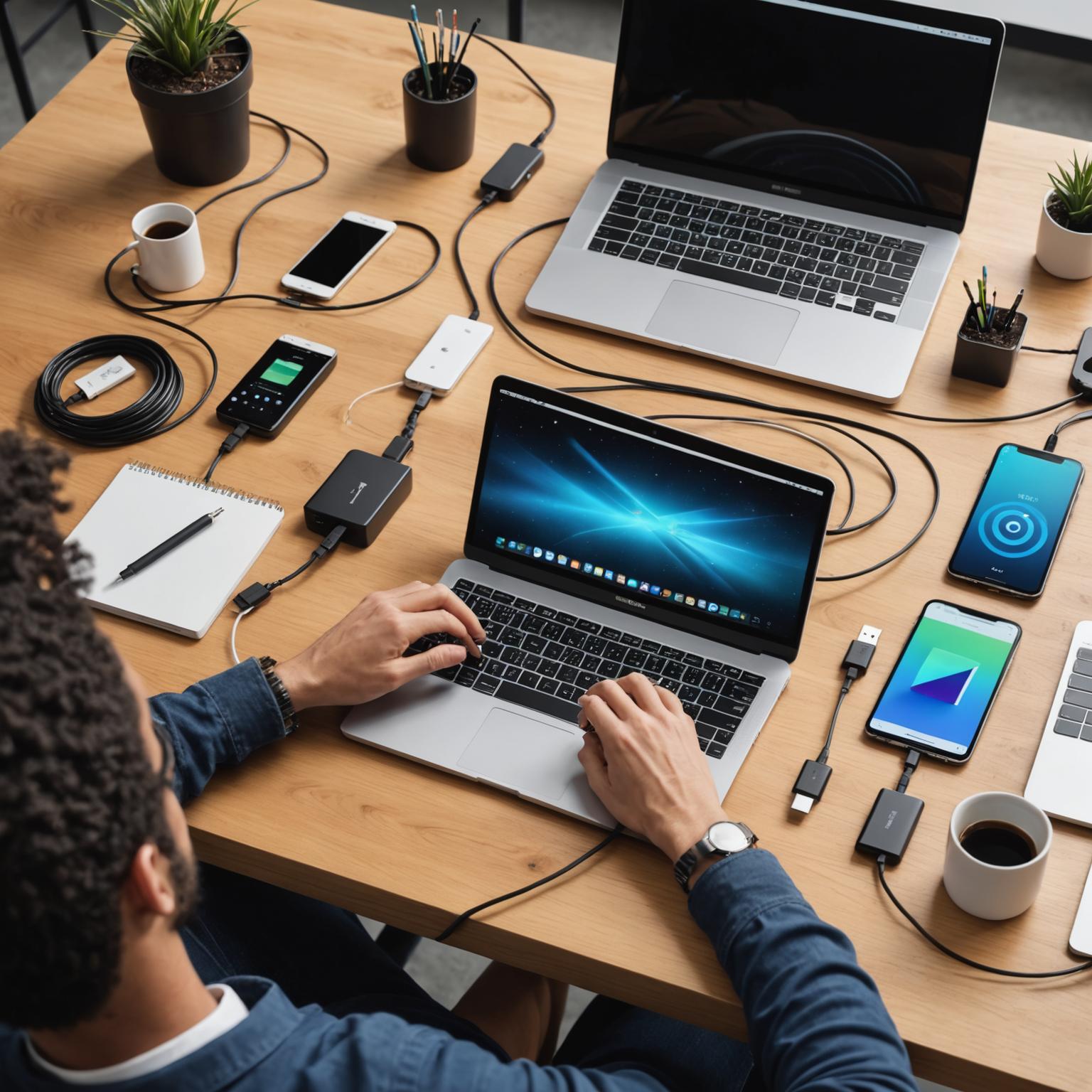
What Exactly Is a Data Cable?
This is our independent website, you can check out our products.https://pjcases.com
A data cable is an essential accessory in our modern, connected world, serving as the physical link for transferring information and power between devices. Whether you’re syncing photos from your smartphone to your laptop, updating your GPS, or simply charging your tablet, you are using a data cable. These crucial conduits are designed with multiple wires internally; some are dedicated to carrying electrical current for charging, while others are specifically for transmitting data signals, allowing your devices to communicate with each other seamlessly. Without a reliable one, managing our digital lives would be far more complicated.
What Are the Different Kinds of USB Data Cables?
The term ‘USB data cable’ covers a wide range of connector types that have evolved over the years. The most common include USB-A, the classic rectangular connector you see on computers and wall chargers. Micro-USB was the standard for most Android phones and accessories for years, though it is being phased out. The Apple-exclusive Lightning connector is used for iPhones and many iPads. The newest and most versatile standard is USB-C, which features a reversible, oval-shaped connector. USB-C supports faster data transfer and higher power output, making it the new standard for everything from laptops and smartphones to gaming consoles. Understanding which type of USB data cable your device requires is the first step in ensuring compatibility and performance.
How Can I Find the Best Data Cable for My Needs?
Choosing the best data cable depends on several factors tailored to your specific devices and usage habits. First, identify the correct connector types for both ends of the cable (e.g., USB-A to USB-C, or USB-C to USB-C). Second, consider data transfer speed. If you frequently move large files, look for cables that support newer standards like USB 3.1, USB 3.2, or even Thunderbolt 3 for lightning-fast speeds. Third, check the charging capabilities, especially if you have a fast-charging phone; the cable must support protocols like Power Delivery (PD) to deliver maximum charging speed. Finally, think about durability. Braided nylon cables often last longer and resist tangling better than standard plastic-coated ones. The best data cable for you is one that balances speed, power, and durability for your ecosystem.
Does the Length of a Cable Impact Its Performance?
Yes, the length of a data cable can affect both charging and data transfer speeds. Electrical resistance increases with distance, which means a longer cable may result in a slight voltage drop by the time the power reaches your device. This can lead to slower charging, especially with very long cables (over 6-10 feet). Similarly, data signal integrity can degrade over longer distances, potentially leading to slower transfer speeds or connection errors. For optimal performance, it’s generally recommended to use the shortest cable that comfortably meets your needs. For most everyday use cases, a cable up to 6 feet (about 2 meters) long will perform without any noticeable difference.
Can Using a Cheap Data Cable Damage My Devices?
Using a very cheap, uncertified data cable poses a genuine risk to your expensive electronics. Low-quality cables often cut corners by using thin, subpar wiring and foregoing proper shielding. This can lead to inefficient and slow charging, which can stress your device’s battery over time. More critically, a poorly made cable can lack the proper circuitry to regulate voltage, potentially causing power surges that could damage the delicate charging port or internal components of your smartphone or tablet. For Apple users, it’s always wise to look for MFi (Made for iPhone/iPad) certified cables to ensure safety and compatibility. Investing a little more in a reputable cable is a small price to pay for protecting your devices.