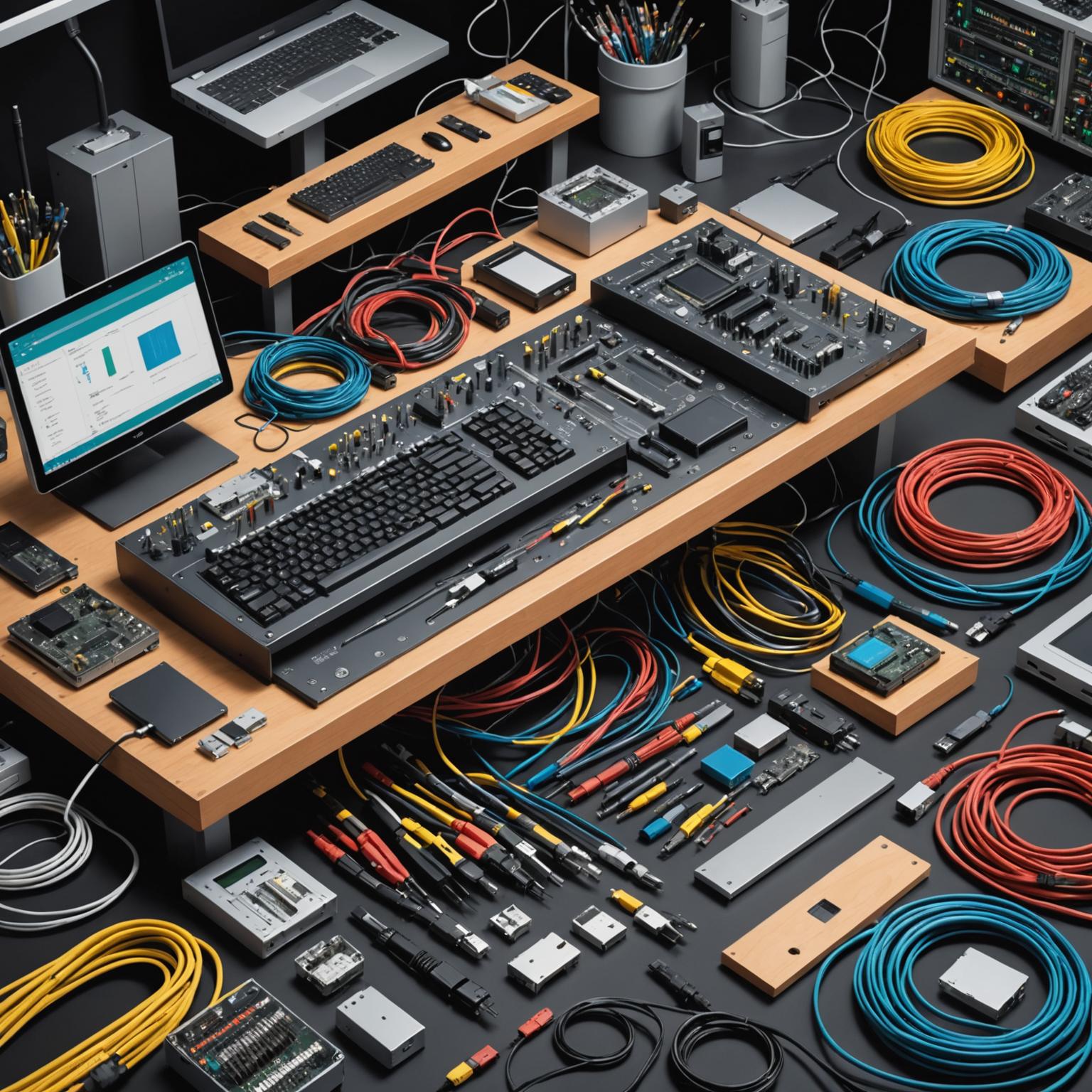
The Unseen Backbone of Our Digital World
This is our independent website, you can check out our products.https://pjcases.com
In an era dominated by seamless wireless connectivity, it’s easy to overlook the critical role of the humble data cable. Yet, these physical conduits remain the backbone of high-performance computing, networking, and peripheral interaction. Whether you’re transferring large files, streaming high-definition media, or ensuring a stable internet connection, the quality of your data cable directly impacts speed, reliability, and overall system performance. Understanding the technical nuances of these essential components is key to unlocking the full potential of your devices. From basic charging cords to sophisticated fiber optic lines, the world of data transmission is built upon these fundamental links that ensure our digital lives run smoothly.
Inside High-Speed Data Cables: A Technical Breakdown
At a glance, most cables look similar, but their internal construction determines their capability. The core of high-speed data cables consists of several key elements working in concert to transmit data accurately and quickly. The primary conductors, typically made of high-purity copper, are responsible for carrying the electrical signals. In more advanced cables like fiber optics, these are replaced by glass or plastic fibers that transmit data as light pulses. Surrounding these conductors is a dielectric insulator, a material that prevents signal loss and cross-talk between wire pairs. A crucial component for performance is shielding. High-quality cables use one or more layers of aluminum foil and braided copper mesh to protect the signal from electromagnetic interference (EMI) and radio frequency interference (RFI). This is especially important for high-speed data cables, as external noise can corrupt data packets and drastically reduce transfer speeds. Finally, a durable outer jacket, often made of PVC or TPE, protects the internal components from physical stress and environmental factors.
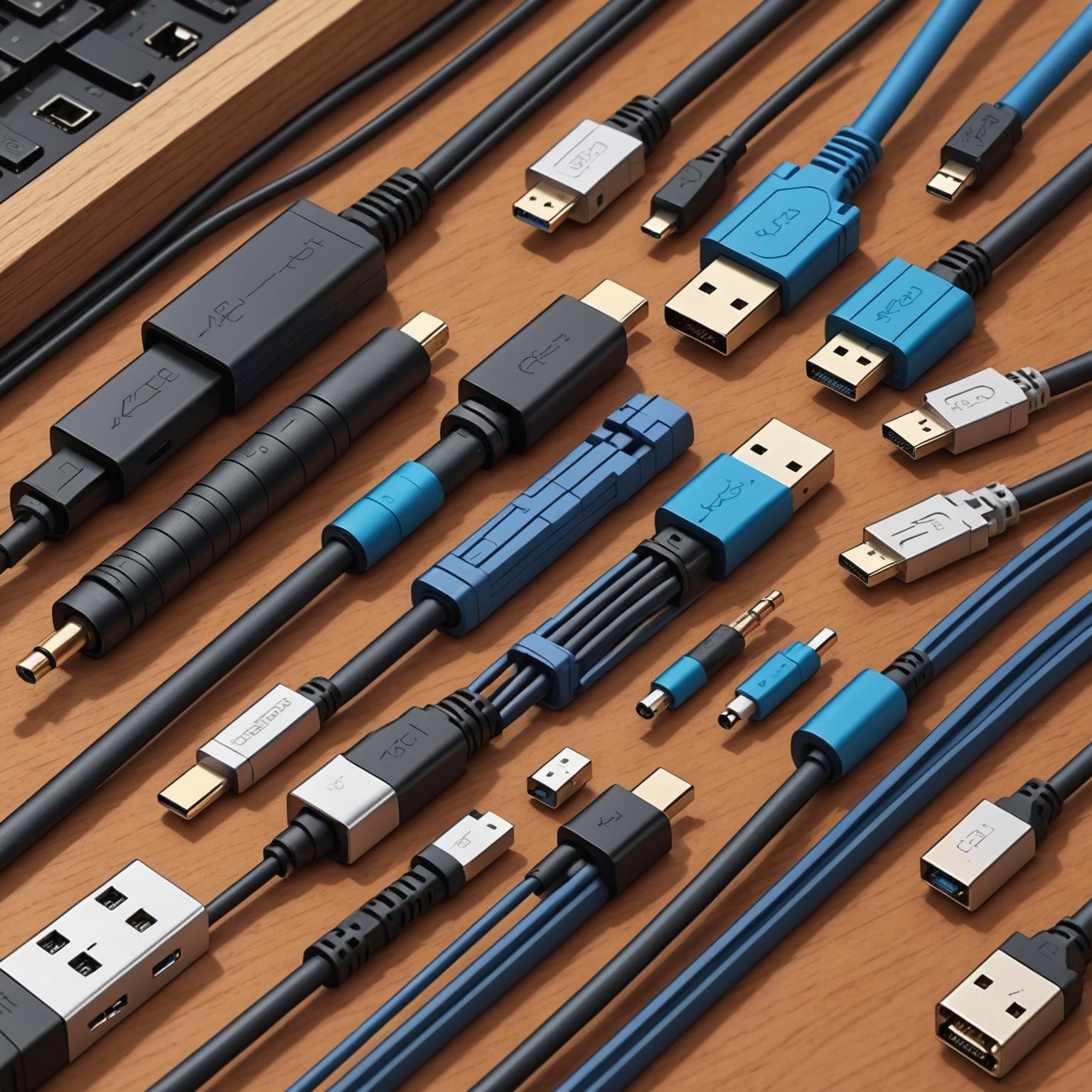
A Guide to Common Data Cables and Connectors
The landscape of data cables and connectors is vast and ever-evolving, with different types designed for specific applications. The Universal Serial Bus (USB) is perhaps the most ubiquitous, evolving from USB-A to the versatile and reversible USB-C, which supports high-speed data transfer (up to 40Gbps with USB4), power delivery, and alternate modes like DisplayPort. For networking, Ethernet cables remain the standard. Categories like Cat6 and Cat7 offer higher bandwidth and better crosstalk protection than their predecessors, making them ideal for gigabit internet and local network traffic. In the world of video, HDMI (High-Definition Multimedia Interface) cables are essential for transmitting uncompressed audio and video between devices like TVs, monitors, and gaming consoles. Each of these standards uses uniquely designed connectors engineered for specific pin-outs and electrical properties, ensuring that the connection is both physically secure and electrically sound. Understanding the different types of data cables and connectors is vital for ensuring compatibility and achieving the desired performance.
Choosing the Right Cable for Optimal Performance
Selecting the appropriate cable is not merely a matter of matching plug shapes; it’s a technical decision that affects the entire data chain. The foremost consideration is the required data transfer rate. A USB 2.0 cable will bottleneck a modern SSD that can transfer data at USB 3.2 speeds. Always check the specifications of both your devices and the cable to ensure they align. Build quality is another critical factor. Look for cables with reinforced stress points near the connector, gold-plated contacts for better conductivity and corrosion resistance, and a sturdy yet flexible jacket. The cable’s length also matters; while longer cables offer more convenience, they can also suffer from signal degradation, a phenomenon known as attenuation. For high-speed applications or noisy environments, a well-shielded cable is non-negotiable. Finally, look for official certifications, such as those from the USB-IF (USB Implementers Forum), which guarantee that a product meets established standards for performance and safety, ensuring your choice performs as advertised.