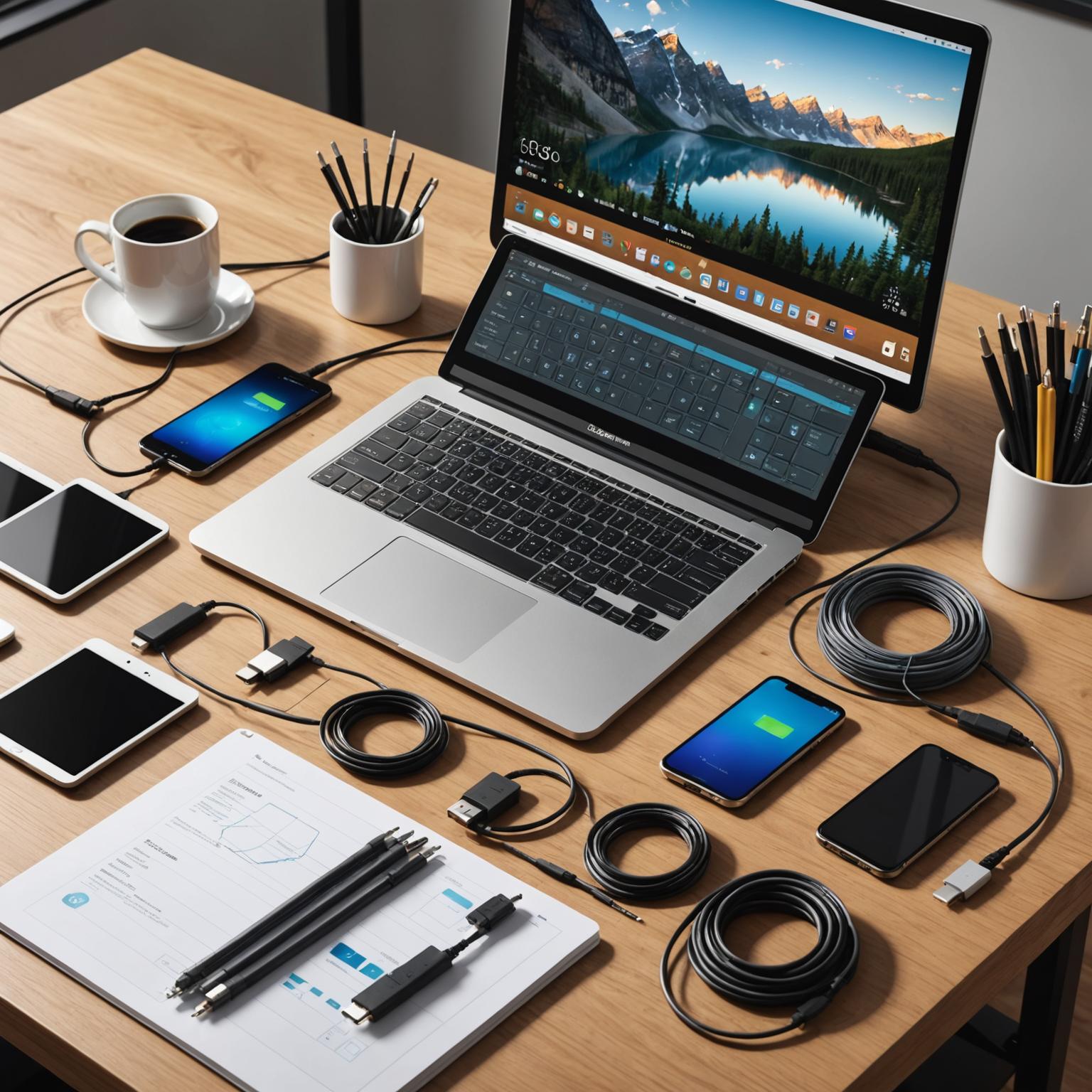
Your Essential Guide to Choosing the Perfect Type-C Cable
This is our independent website, you can check out our products.https://pjcases.com
In today’s tech-driven world, the universal connector seems to be the USB-C. From the latest smartphones and tablets to powerful laptops and gaming consoles, this versatile port is everywhere. However, this universality can be misleading, as not all cables are created equal. Choosing the right type-c data cable is crucial for ensuring not only fast charging and data transfer but also the safety and longevity of your valuable devices. This guide will walk you through the essential factors to consider, helping you navigate the confusing landscape of modern cables and select the one that perfectly meets your needs.
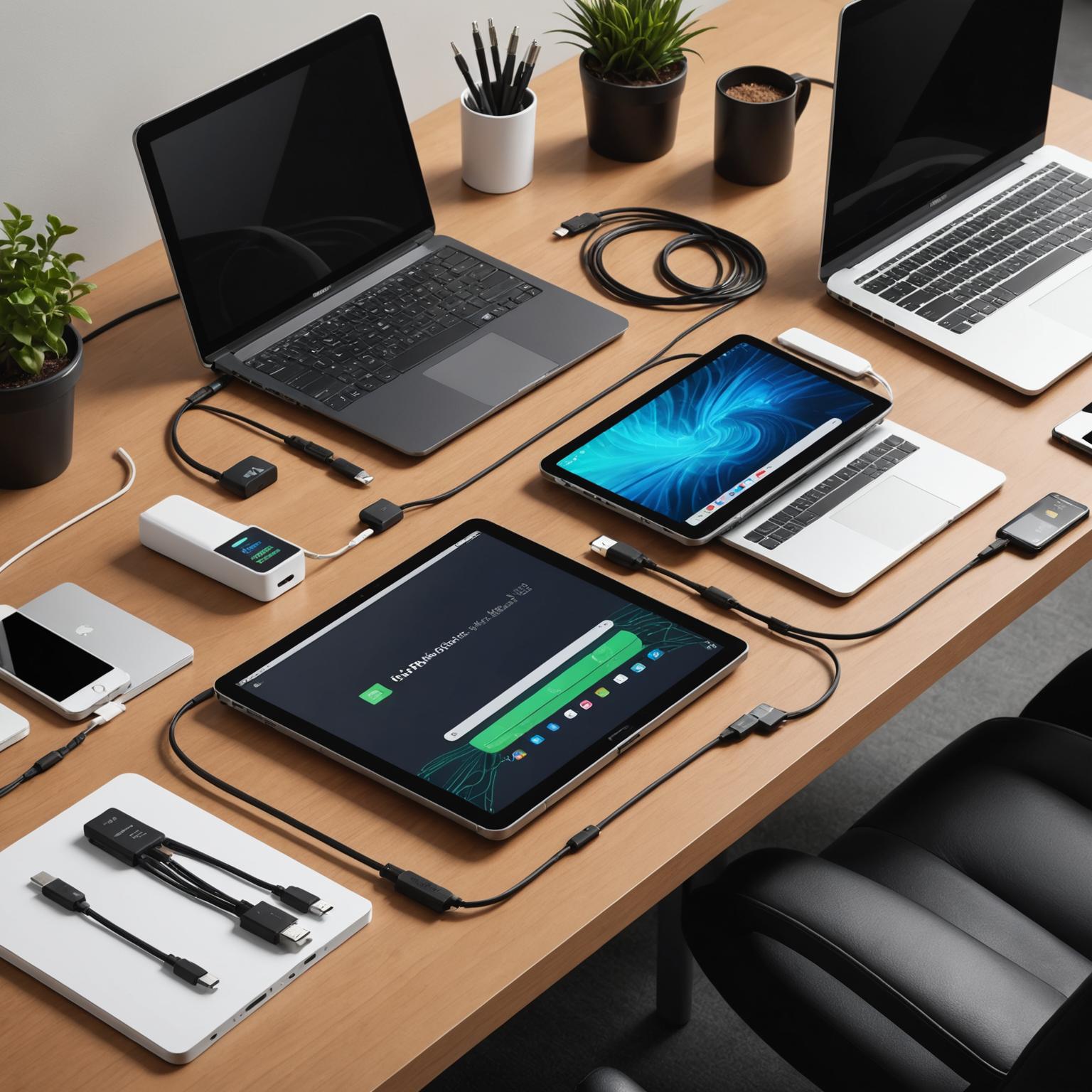
Decoding the Specs: More Than Just a Connector
When you start shopping for a USB Type-C cable, you’ll encounter a dizzying array of technical specifications. The two most important factors to understand are data transfer speed and power delivery capability. Data speed is typically indicated by the USB standard it supports, such as USB 2.0 (slowest, at 480Mbps), USB 3.1 Gen 1 (5Gbps), USB 3.2 Gen 2 (10Gbps), or even Thunderbolt 3/4 (up to 40Gbps). If you frequently transfer large files like videos or backups, a cable with a higher data transfer speed is essential. The second factor is Power Delivery (PD), measured in watts (W). A basic cable might only support 15W, which is fine for a smartphone, but wholly inadequate for more demanding hardware. Always check the packaging or product description for these specifications to ensure the cable you buy matches the capabilities of your device and charger.
Powering Up: Selecting Type-C Cables for Laptops
Laptops are power-hungry machines, and this is where choosing the correct cable becomes absolutely critical. Standard phone cables are not designed to handle the high wattage a laptop requires. Using an underpowered cable can result in extremely slow charging, no charging at all, or even potential damage to your laptop’s battery or charging port. When searching for Type-C cables for laptops, you must look for ones that explicitly support high-wattage Power Delivery, typically 60W, 100W, or even the newer 240W standard. A key feature to look for in these high-power cables is an E-Marker chip. This small electronic marker communicates with the charger and the laptop to safely negotiate the correct voltage and current, preventing overcharging and ensuring a stable power flow. Never compromise on quality when selecting a cable for your laptop; always opt for a reputable brand with a certified E-Marker.
Durability and Practicality: What Else to Consider
Beyond the technical specifications, the physical characteristics of a USB Type-C cable play a significant role in its usability and lifespan. Cable length is a primary consideration; while a longer cable offers more flexibility, it can also lead to a slight drop in charging speed and power delivery over distance. Choose a length that suits your typical usage scenario without being excessively long. Build quality is another crucial element. Look for cables with durable sheathing, such as braided nylon, which resists tangling and fraying. Reinforced connector housings and effective strain relief where the cable meets the plug are also signs of a well-made, long-lasting product that can withstand the rigors of daily use. Investing a little more in a durable cable can save you the cost and hassle of frequent replacements.
Conclusion: Making a Safe and Informed Choice
Ultimately, selecting the right type-c data cable is an exercise in matching the cable’s specifications to your device’s requirements. Before making a purchase, take a moment to identify what you need. Are you primarily charging a phone, or do you need to power a high-performance laptop? Do you need lightning-fast data transfer speeds for work, or is charging your main priority? By checking for the correct power delivery wattage, data transfer standard, and necessary safety features like an E-Marker chip for high-power applications, you can make an informed decision. A quality USB Type-C cable is a small but vital investment that protects your devices and ensures they perform at their best.