What Are Privacy Screen Protectors and Why Do I Need One?
This is our independent website, you can check out our products.https://pjcases.com
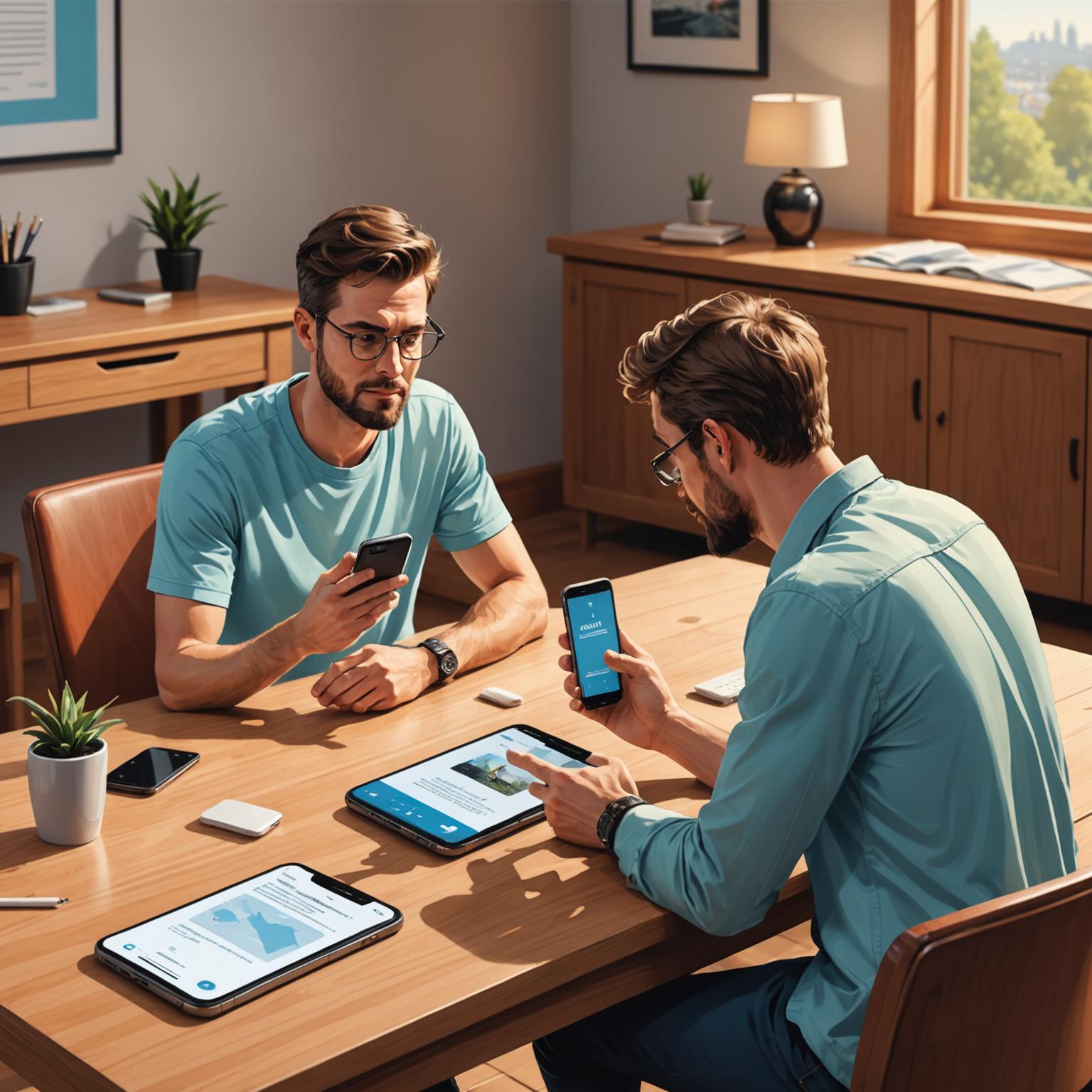
In today’s connected world, our smartphones hold a vast amount of personal and sensitive information. From banking details to private conversations, protecting this data is more important than ever. Have you ever felt uneasy using your phone in a crowded place, sensing prying eyes on your screen? This is where privacy screen protectors come in. They are an essential accessory designed not only to shield your screen from physical damage like scratches and cracks but also to guard your on-screen data against wandering eyes. By using advanced technology, these protectors ensure that your screen is only visible to you, the person directly in front of it, giving you the freedom and security to use your device anywhere with confidence.
How Do Anti-Spy Screen Protectors Work?
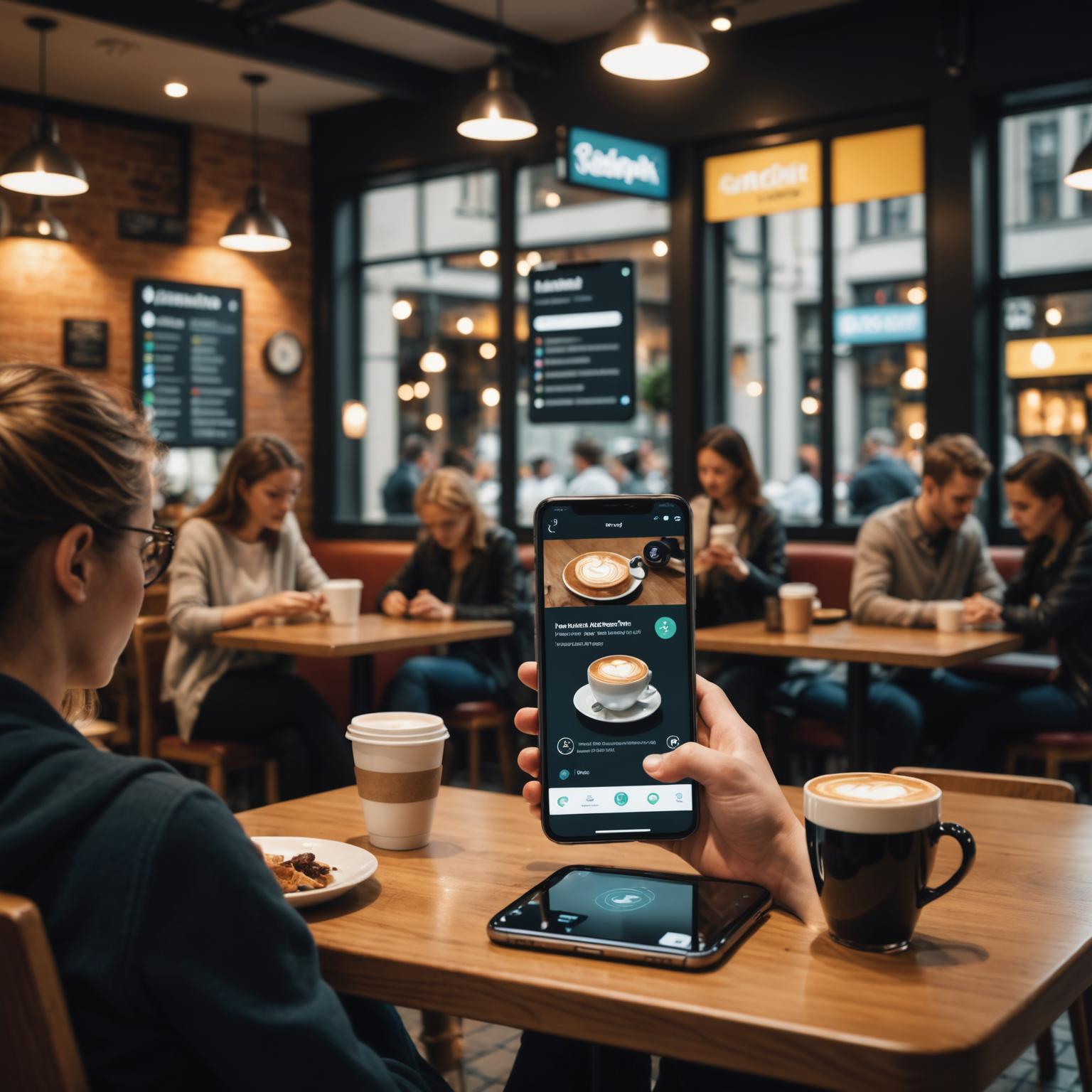
The magic behind these accessories lies in microlouver technology. Imagine a tiny set of blinds layered over your screen. These microlouvers are angled in a way that blocks light from being viewed from the sides. When you look at your phone straight on, the view is perfectly clear. However, for someone trying to peek from an angle, the screen will appear dark or completely black. This is why they are often called anti-spy screen protectors. The effect is typically limited to a 60-degree viewing angle (30 degrees on each side), making them highly effective at preventing ‘visual hacking’ or ‘shoulder surfing’ on public transport, in cafes, or in any shared space. This technology provides a simple yet powerful solution for maintaining your digital privacy.
Do Privacy Screens Reduce Display Quality?
This is a common and valid question. Because privacy screen protectors work by controlling the light transmitted from your screen, they can have a minor impact on brightness. You might notice that you need to increase your screen’s brightness level slightly to achieve the same clarity you’re used to. Some users may also perceive a very subtle pattern or texture due to the microlouver layer. However, high-quality protectors are engineered to minimize these effects, offering excellent clarity and color accuracy when viewed directly. For most users, the slight trade-off in brightness is well worth the immense benefit of complete screen privacy and peace of mind.
What Should I Look for in an iPhone Privacy Screen Protector?
When choosing an iPhone privacy screen protector, several factors are crucial for the best experience. First, ensure it offers edge-to-edge coverage while still being case-friendly. A good protector should fit seamlessly with your phone case without lifting at the edges. Second, check the material; tempered glass offers superior scratch resistance and a smoother feel than plastic films. Third, verify that it maintains the original touch sensitivity and Face ID compatibility of your iPhone. Finally, look for one that is easy to install, preferably with an included alignment frame to prevent bubbles and ensure a perfect fit. Choosing a quality iPhone privacy screen protector means you don’t have to compromise on functionality for security.
Are Privacy Protectors a Worthwhile Investment?
Absolutely. The value of a privacy screen protector extends far beyond its cost. It’s an investment in your personal and professional security. For anyone who handles sensitive work emails, manages finances, or simply values their private conversations, these protectors are a must-have. They provide a dual benefit: robust physical protection against drops and scuffs, which can save you from costly screen repairs, and invaluable digital protection against prying eyes. In a world where information is a valuable commodity, taking proactive steps to secure your data is not just smart; it’s essential. Combining one with a durable case provides 360-degree protection for your device and your data.