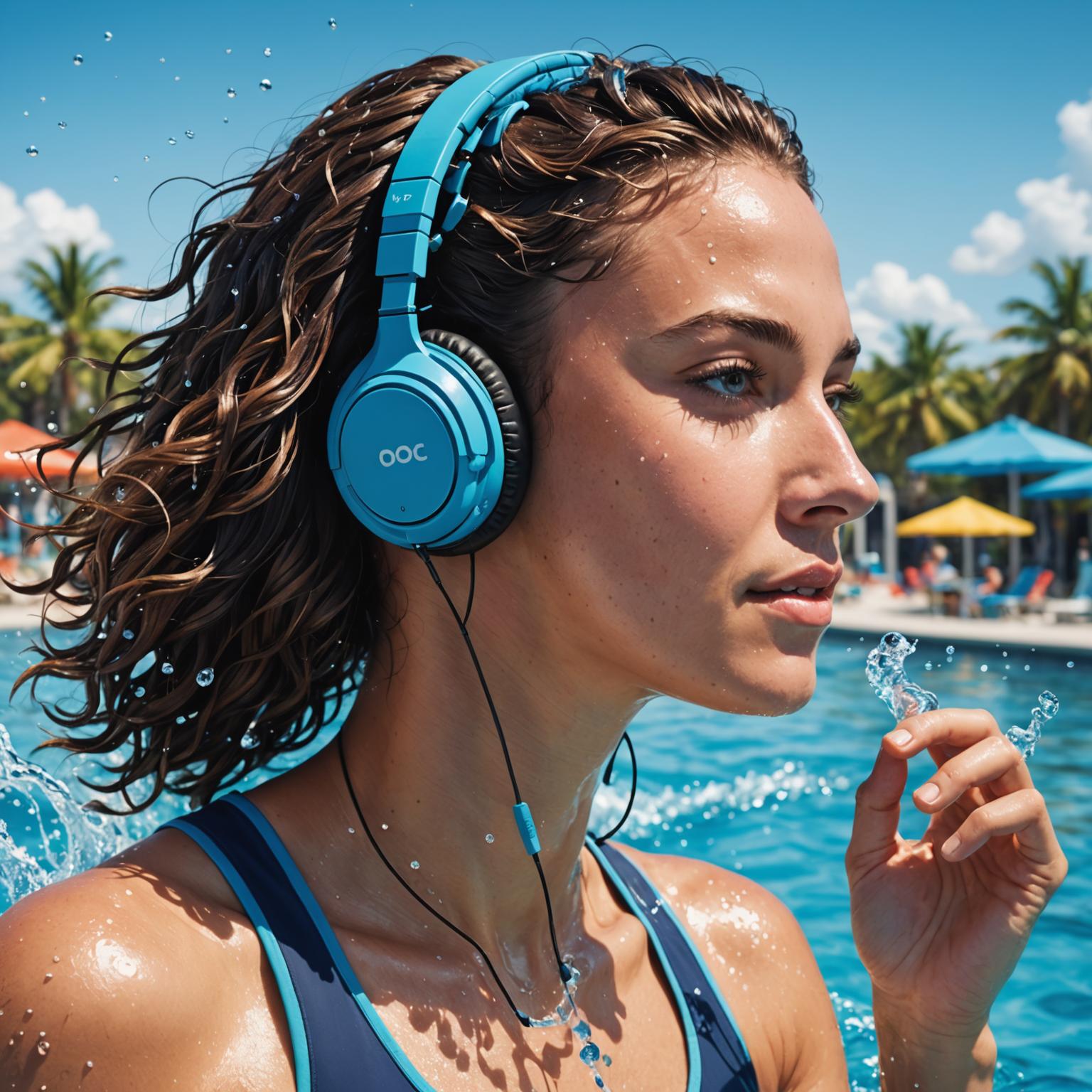
The Evolution of Audio: Introducing Waterproof Earphones
This is our independent website, you can check out our products.https://pjcases.com
The demand for personal audio devices that can withstand the elements has surged, leading to significant innovations in wearable technology. A prime example of this advancement is the waterproof earphone, a device engineered to deliver uninterrupted audio experiences even when exposed to water, sweat, or challenging environmental conditions. Whether you’re an avid swimmer, a dedicated runner braving all weather, or simply someone who enjoys listening to music by the pool, the advent of robust waterproofing in audio gear has revolutionized how and where we consume sound. These specialized earphones are not just about surviving accidental splashes; many are designed for complete submersion, offering a new dimension to aquatic activities.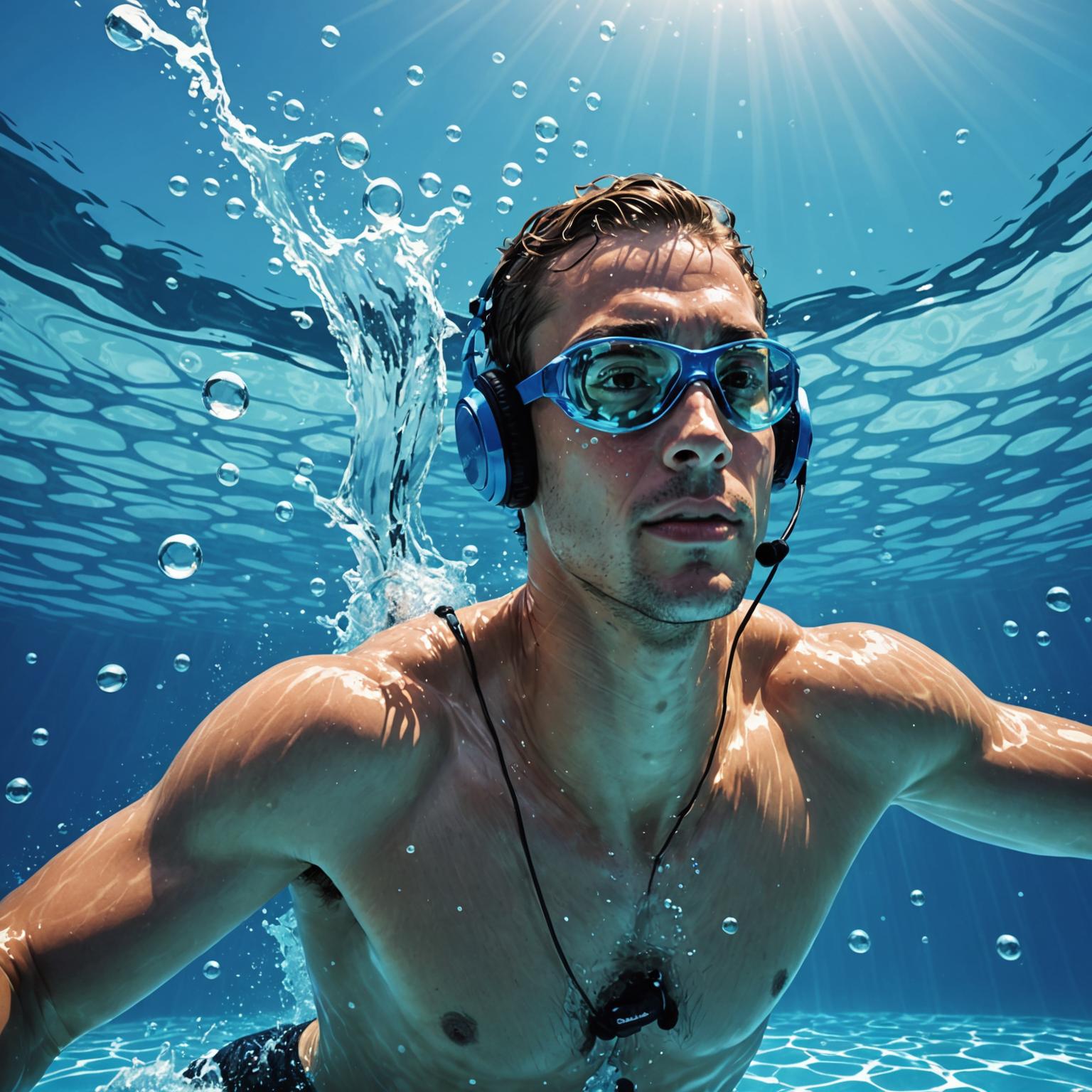
Decoding Waterproofing: Understanding IP Ratings
When considering a waterproof earphone, the term “IP rating” is paramount. IP, or Ingress Protection, ratings are standardized international codes that classify the degrees of protection provided against the intrusion of solid objects (including body parts like hands and fingers), dust, accidental contact, and water in electrical enclosures. The rating typically consists of two digits; an “X” can be used for one of the digits if there is no rating data available. For waterproofing, the second digit is crucial. For instance, an IPX7 rating means the device can be submerged in up to 1 meter of water for 30 minutes. For more demanding aquatic use, such as with swimming earphones, an IPX8 rating is often preferred, indicating protection against continuous immersion in water under conditions specified by the manufacturer, usually deeper than 1 meter. Understanding these ratings helps consumers select earphones truly suited to their specific needs.
Engineering Resilience: The Technology Behind Waterproofing
Achieving robust waterproofing in compact devices like earphones involves sophisticated engineering and material science. Manufacturers employ several techniques to protect delicate internal components. One common method is the application of hydrophobic nano-coatings, which create a surface that repels water at a microscopic level. Additionally, the physical construction plays a vital role; this includes precisely sealed casings, often using waterproof adhesives or ultrasonic welding to eliminate gaps where water could penetrate. Internal components, such as drivers and circuitry, can also be individually treated or encased in waterproof materials. For some waterproof in-ear headphones, specialized acoustic membranes are used that allow sound to pass through while blocking water molecules, ensuring audio quality is maintained even during submersion.
Enhancing Aquatic Activities: The Role of Swimming Earphones
For athletes, particularly swimmers, the introduction of effective swimming earphones has been a game-changer. Previously, the monotony of lap swimming could be a significant mental hurdle. Now, with waterproof audio devices designed specifically for aquatic use, swimmers can enjoy music, podcasts, or audio coaching directly in the pool. These devices must not only be waterproof but also stay securely in place during vigorous movement and provide clear audio underwater, where sound transmission can be challenging. The psychological benefits of having audio accompaniment during long training sessions can lead to improved performance, endurance, and overall enjoyment of the sport. Beyond swimming, these durable earphones are also ideal for triathletes, surfers, and any watersport enthusiast. This specific category of waterproof earphone has truly opened up new possibilities for entertainment and training in aquatic environments.
Selecting the Ideal Pair: What to Look for in Waterproof In-Ear Headphones
When selecting waterproof in-ear headphones, several technical factors beyond the IP rating warrant consideration. Fit is paramount, especially for active use or swimming; earphones that don’t seal well in the ear canal can allow water to seep in, affecting sound quality and comfort, or they might simply fall out. Look for models with multiple ear tip sizes and designs, including wing tips or ear hooks for added security. Sound quality underwater can differ significantly from performance in air, so researching reviews that specifically address underwater audio performance is advisable. Battery life is another key consideration, especially for longer activities. Connectivity, usually via Bluetooth, should be stable, although Bluetooth signals don’t travel well through water, leading many swimming earphones to feature built-in MP3 players. The choice of a waterproof earphone should align with its intended primary use to ensure optimal satisfaction.
Prolonging Performance: Essential Care for Your Waterproof Audio Gear
Proper care and maintenance are crucial for extending the lifespan and maintaining the performance of your waterproof earphone. After use, especially in chlorinated pool water or saltwater, it’s highly recommended to rinse the earphones with fresh water. This helps remove chlorine, salt, and other residues that could be corrosive or degrade sealing materials over time. Following the rinse, always dry the earphones thoroughly before storing them or charging. Avoid charging the device when it’s wet, as this can lead to short circuits or damage to the charging port and internal components. Regularly inspect the ear tips and any seals for signs of wear and tear, and replace them as needed to maintain the integrity of the waterproof protection. Simple steps like these can significantly protect your investment in waterproof in-ear headphones.
Beyond Basic Waterproofing: Advanced Features and Future Innovations
The technology for waterproof audio devices continues to evolve. Beyond standard waterproofing, some models of swimming earphones incorporate bone conduction technology, which transmits sound vibrations through the bones of the skull directly to the inner ear, bypassing the ear canal. This can be advantageous for swimmers as it leaves the ears open and can offer clearer sound underwater. We are also seeing advancements in Bluetooth stability for short-range underwater use and the integration of more sophisticated audio codecs that perform better in challenging acoustic environments. Future trends may include even higher IP ratings, longer battery life despite compact sizes, and smarter features such as integrated biometric sensors for tracking athletic performance. The ongoing development in waterproof audio technology promises even more versatile and robust solutions for active lifestyles.