This is our independent website, you can check out our products.https://pjcases.com
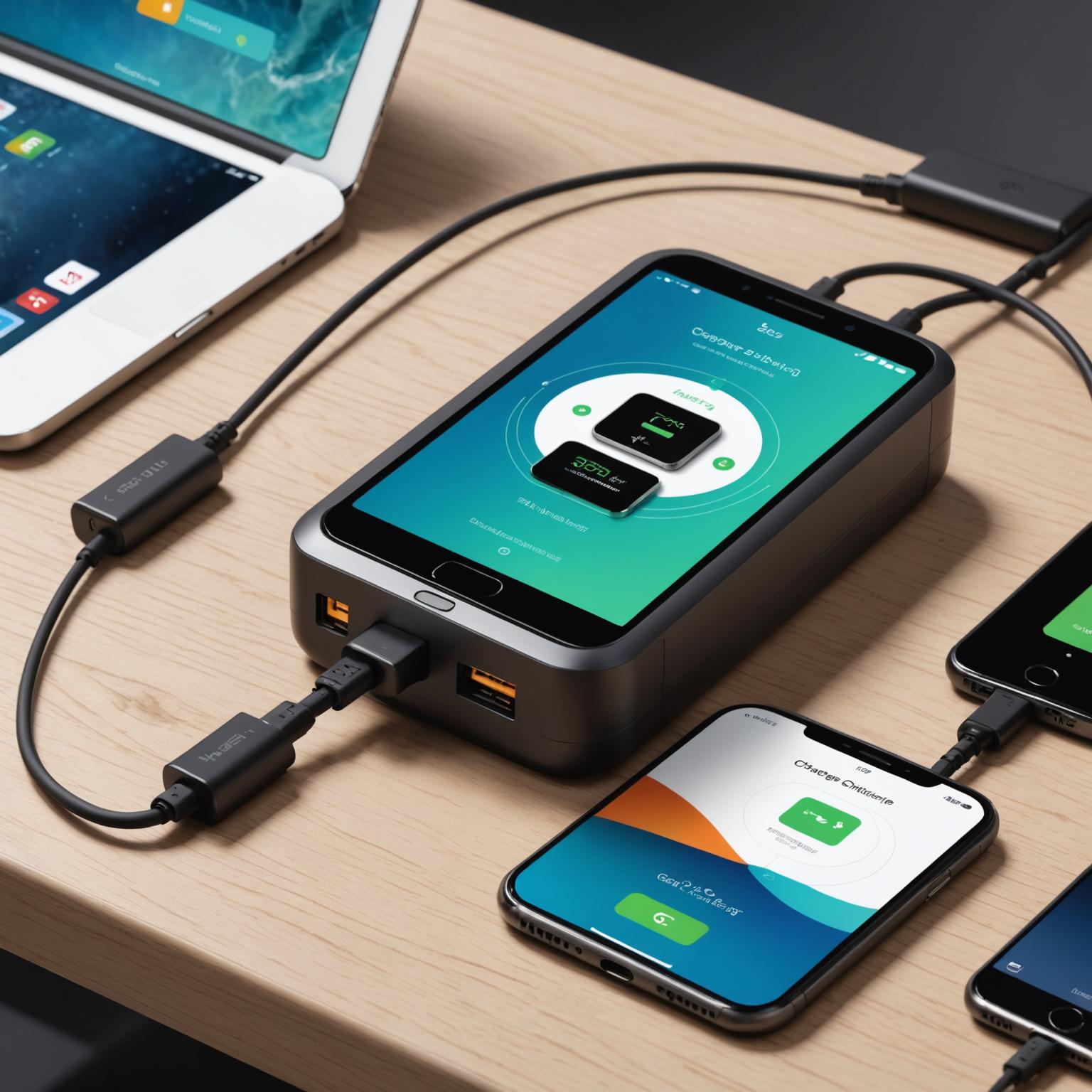
In our fast-paced world, waiting hours for a smartphone to charge is a relic of the past. The advent of the modern fast charger has revolutionized how we interact with our devices, ensuring we spend more time using them and less time tethered to a wall outlet. This significant leap forward is not just about convenience; it’s a complex interplay of power management and engineering, driven by sophisticated quick charge technology that intelligently powers our devices faster and more safely than ever before.
Understanding Quick Charge Technology
At its core, quick charge technology works by increasing the amount of power delivered to a device’s battery. Power, measured in watts (W), is a product of voltage (V) and current (A). Traditional USB chargers typically delivered a standard 5V at 0.5A to 2.4A, resulting in a power output of 2.5W to 12W. Fast charging protocols dynamically increase either the voltage, the current, or both to significantly boost the wattage. For instance, standards like USB Power Delivery (USB-PD) can negotiate various power profiles, potentially reaching up to 100W or more for compatible devices like laptops. The technology relies on a constant communication handshake between the device and the charger. The charger initially provides a low power output, then communicates with the device’s power management IC to determine the maximum power the battery can safely accept at its current state of charge, adjusting the voltage and amperage accordingly in real-time.
The Importance of a Compatible Fast Charger Adapter and Cable
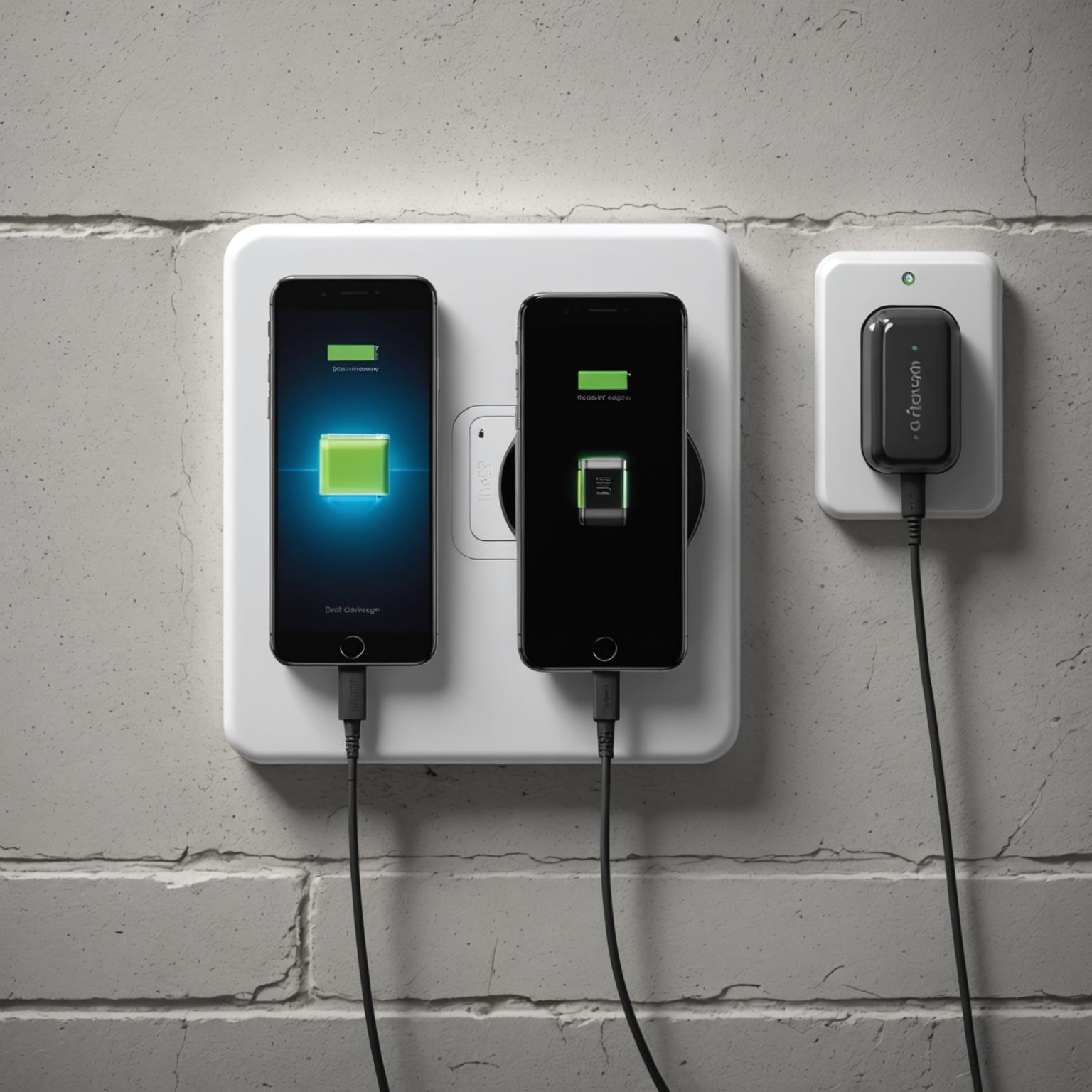
Achieving maximum charging speeds is not solely dependent on the phone; the entire charging ecosystem, including the fast charger adapter and the connecting cable, must be compatible. A specialized fast charger adapter is designed to handle and deliver higher power outputs and contains the necessary circuitry to communicate with the device. Using a standard, non-fast charging adapter will simply result in a slow charge, as it lacks the protocol support. Similarly, the cable plays a crucial role. Cables designed for fast charging are built with thicker-gauge wires to handle the increased current without overheating and include extra data pins that facilitate the communication required by protocols like USB-PD. Using an inadequate or low-quality cable can throttle charging speeds or, in a worst-case scenario, pose a safety risk.
Benefits and Built-in Safety Features
The primary benefit of a fast charger is, of course, speed. Many modern phones can charge from 0% to 50% in as little as 30 minutes, which is incredibly useful for a quick power-up before heading out. However, a common concern is whether this rapid influx of power degrades battery health. To mitigate this, fast charging systems are embedded with multiple layers of safety. The process is most aggressive when the battery is empty and gradually tapers off as it fills up, typically slowing down significantly after reaching 80% to protect the battery from stress and heat. These systems continuously monitor temperature, voltage, and current at both the device and the charger end. If any abnormality or excessive heat is detected, the system immediately reduces the charging speed or cuts off power to prevent damage.
How to Choose the Right Charger for Your Device
To take advantage of faster speeds, you must use a charger that supports the specific protocol your device uses. Check your device’s specifications to identify if it uses USB-PD, Qualcomm Quick Charge, or a proprietary standard. The most versatile option is often a fast charger adapter that supports USB-PD, as it has become a universal standard adopted by many manufacturers, including Apple and Google. When purchasing a charger, always opt for certified products from reputable brands. This ensures the product has undergone rigorous testing for safety and performance compliance. Remember that a device will only draw the amount of power it is designed for, so using a 65W charger on a phone that supports a maximum of 25W is perfectly safe; the device’s internal circuitry will simply cap the power intake at 25W, ensuring a safe and efficient charge.