This is our independent website, you can check out our products.https://pjcases.com
In our hyper-connected world, the humble data cable is an essential accessory that many of us use daily without a second thought. From charging our smartphones to transferring important files, these cables are the unsung heroes of our digital lives. But with so many options on the market, how do you know which one to choose? This guide answers some of the most frequently asked questions to help you understand what makes a great cable.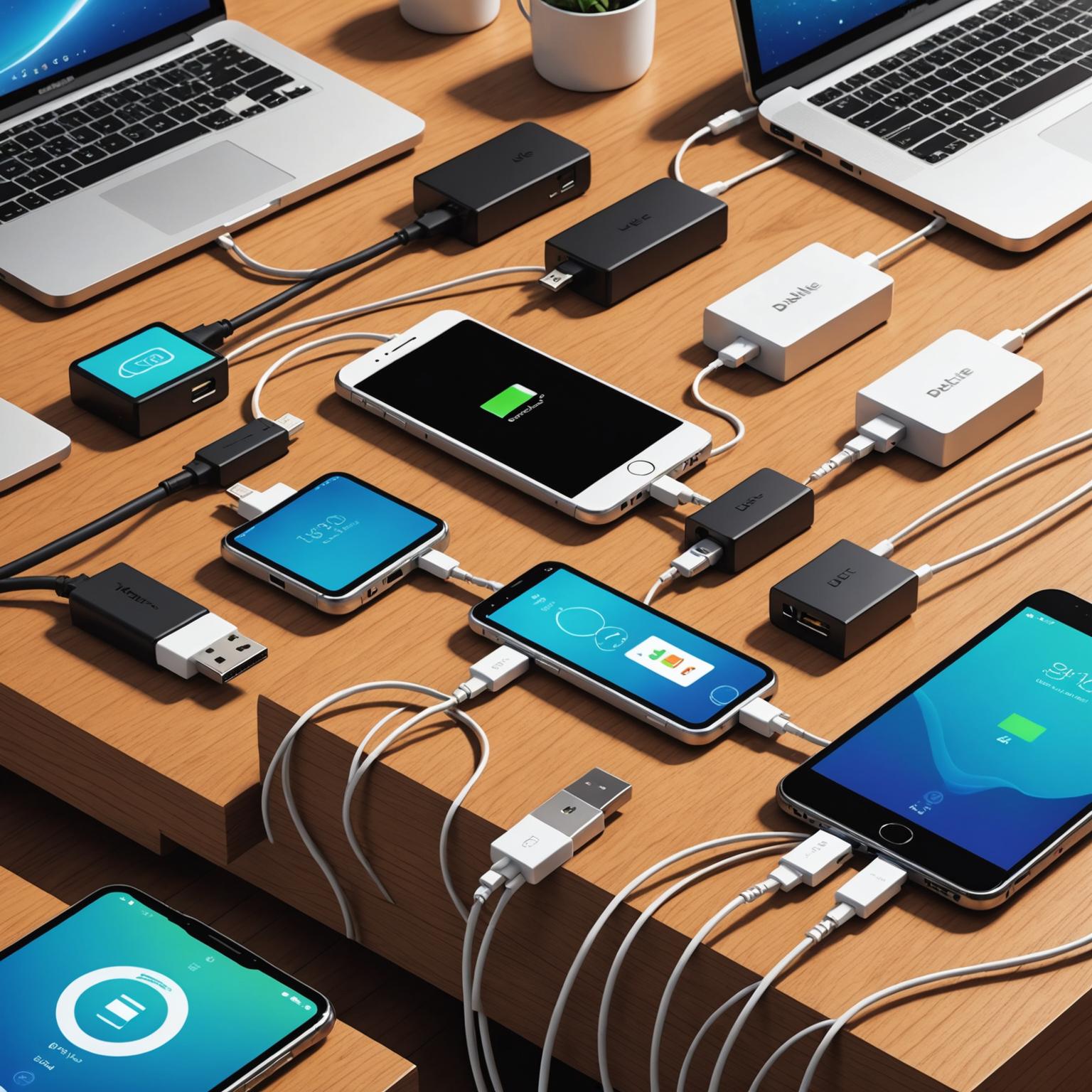
What is a USB data cable and what is its function?
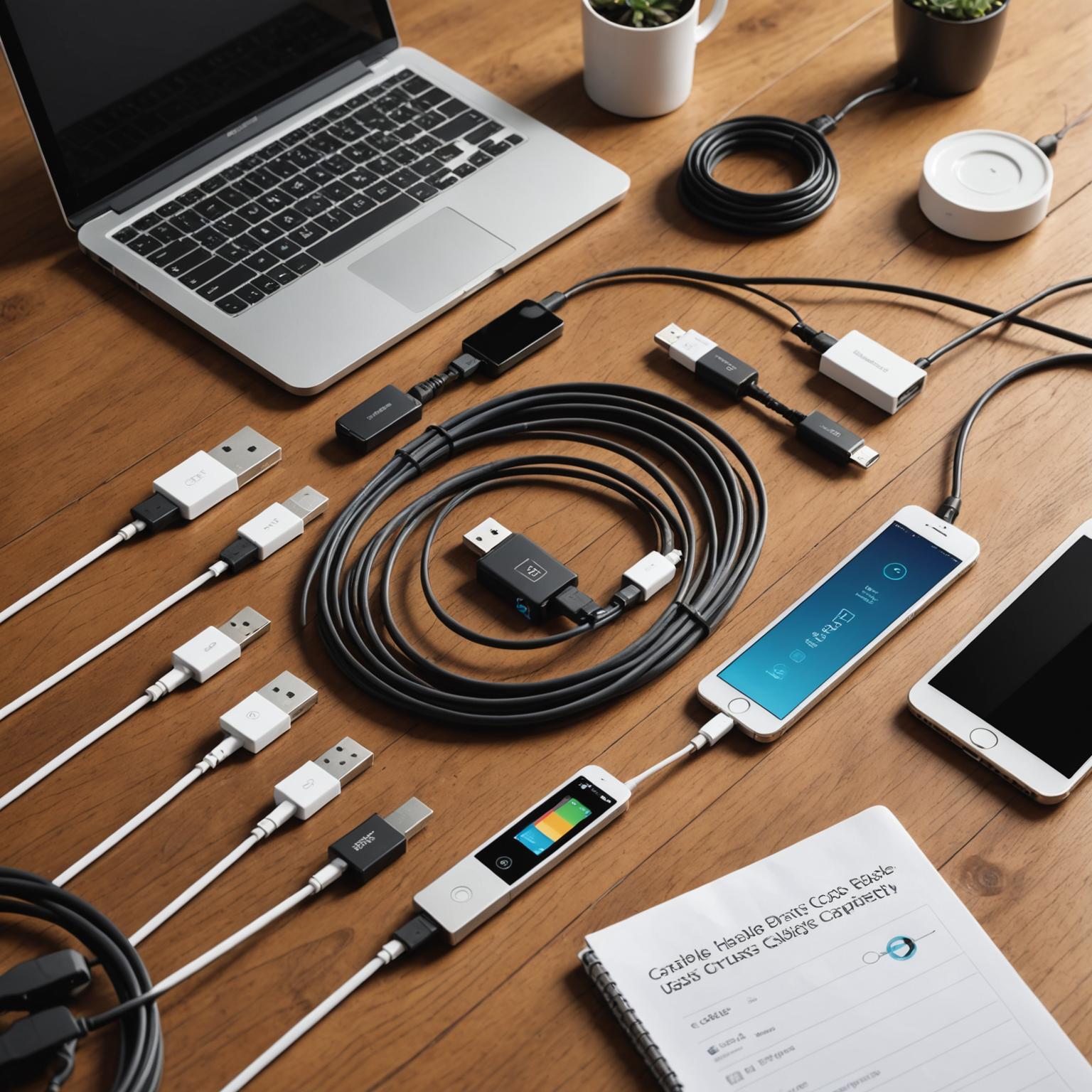
A USB data cable is a physical cord used to connect two or more devices to transfer data and, in most cases, provide electrical power. The term USB stands for Universal Serial Bus, an industry standard for connectors and protocols. Its primary functions are twofold: charging devices by connecting them to a power source like a wall adapter or computer, and synchronizing or transferring data, such as photos, documents, and videos, between devices like a smartphone and a laptop. This dual capability makes it a versatile and indispensable tool.
Are all cables created equal?
Absolutely not. While they may look similar, there are significant differences that impact performance and durability. Cables vary by connector type (like USB-C, Micro USB, and Lightning), data transfer speed (e.g., USB 2.0 vs. USB 3.1), and charging capacity. Additionally, build quality plays a huge role. Some are made with basic plastic shielding that can fray easily, while others feature durable materials like braided nylon and reinforced connector joints that withstand bending and daily wear and tear. A higher quality USB data cable is an investment in reliability.
How do I find the best data cable for my needs?
Choosing the best data cable depends on a few key factors. First, ensure the connector type is compatible with your devices. Second, consider your primary use. If you frequently transfer large files, look for a cable that supports higher data speeds like USB 3.0 or higher. If fast charging is your priority, you’ll need a cable that supports fast-charging standards like USB Power Delivery (PD) and can handle higher wattage. Finally, assess durability. A cable with a sturdy, tangle-free design and strong stress relief points will last much longer, making it the best data cable for long-term value.
Does the length of a cable affect its performance?
Yes, the length of a cable can impact both charging speed and data transfer rates, although for most standard lengths (3-6 feet), the difference is often negligible with a well-made cable. However, with very long or low-quality cables, you may experience a noticeable voltage drop. This happens because electrical resistance increases with length, which can result in slightly slower charging. For optimal performance, it’s generally best to use the shortest length that comfortably meets your needs.
Can a cheap or low-quality data cable damage my devices?
Unfortunately, yes. Using a poorly manufactured cable can pose a risk to your electronics. Cheap cables may not adhere to safety standards and can lack proper wiring or circuitry to regulate power flow. This can lead to overheating, short-circuiting, or even delivering inconsistent voltage that could damage your device’s delicate battery or charging port over time. Investing in a certified and reputable USB data cable is a small price to pay to protect your valuable devices.