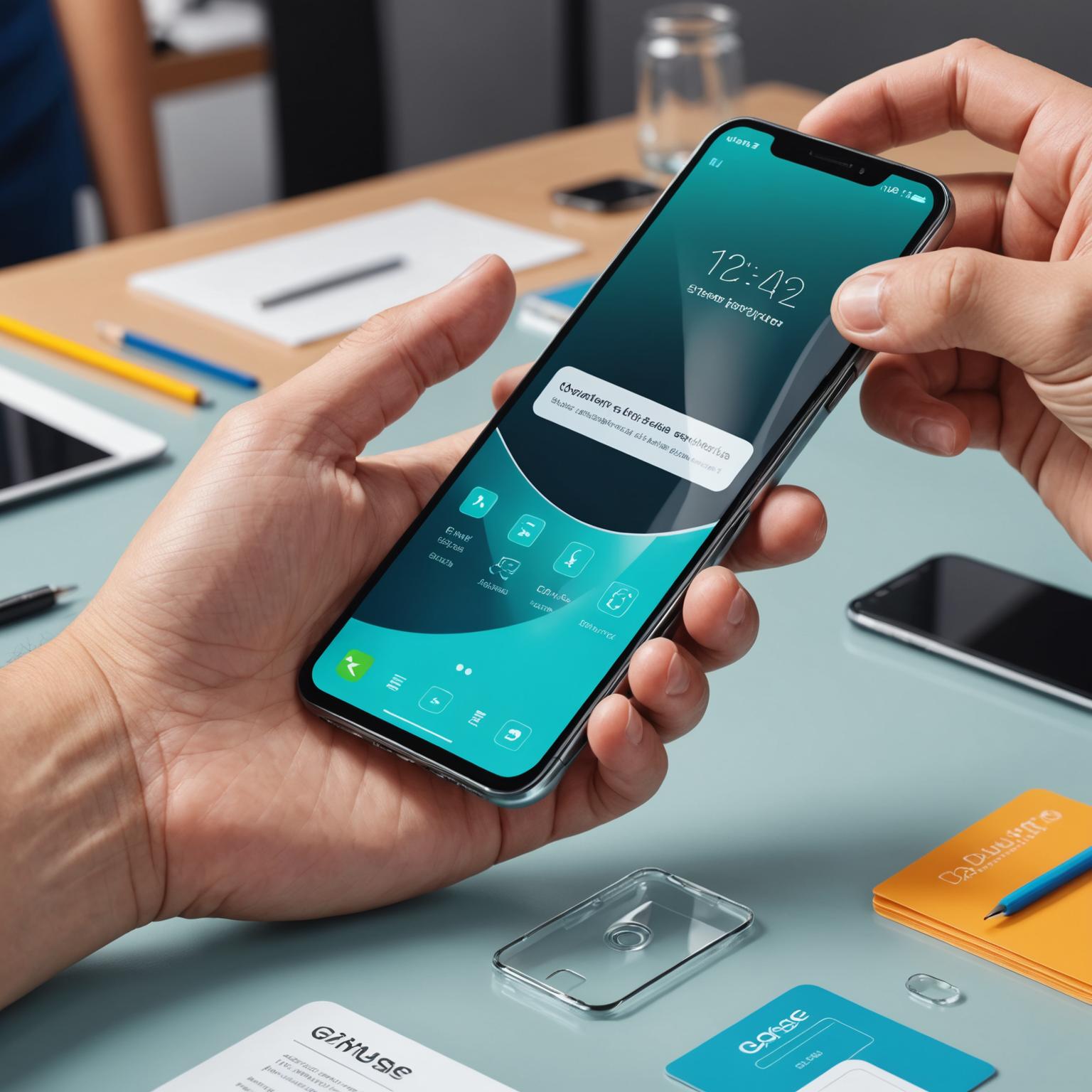
Frequently Asked Questions About Glass Screen Protectors
This is our independent website, you can check out our products.https://pjcases.com
Investing in a new smartphone is exciting, but protecting its delicate screen is crucial for longevity and maintaining its pristine condition. Many users turn to glass screen protectors for superior defense. If you’re considering one or have questions about their benefits and types, you’ve come to the right place. This guide answers some of the most common questions to help you understand everything you need to know about these essential accessories, including options like an anti-glare screen protector.
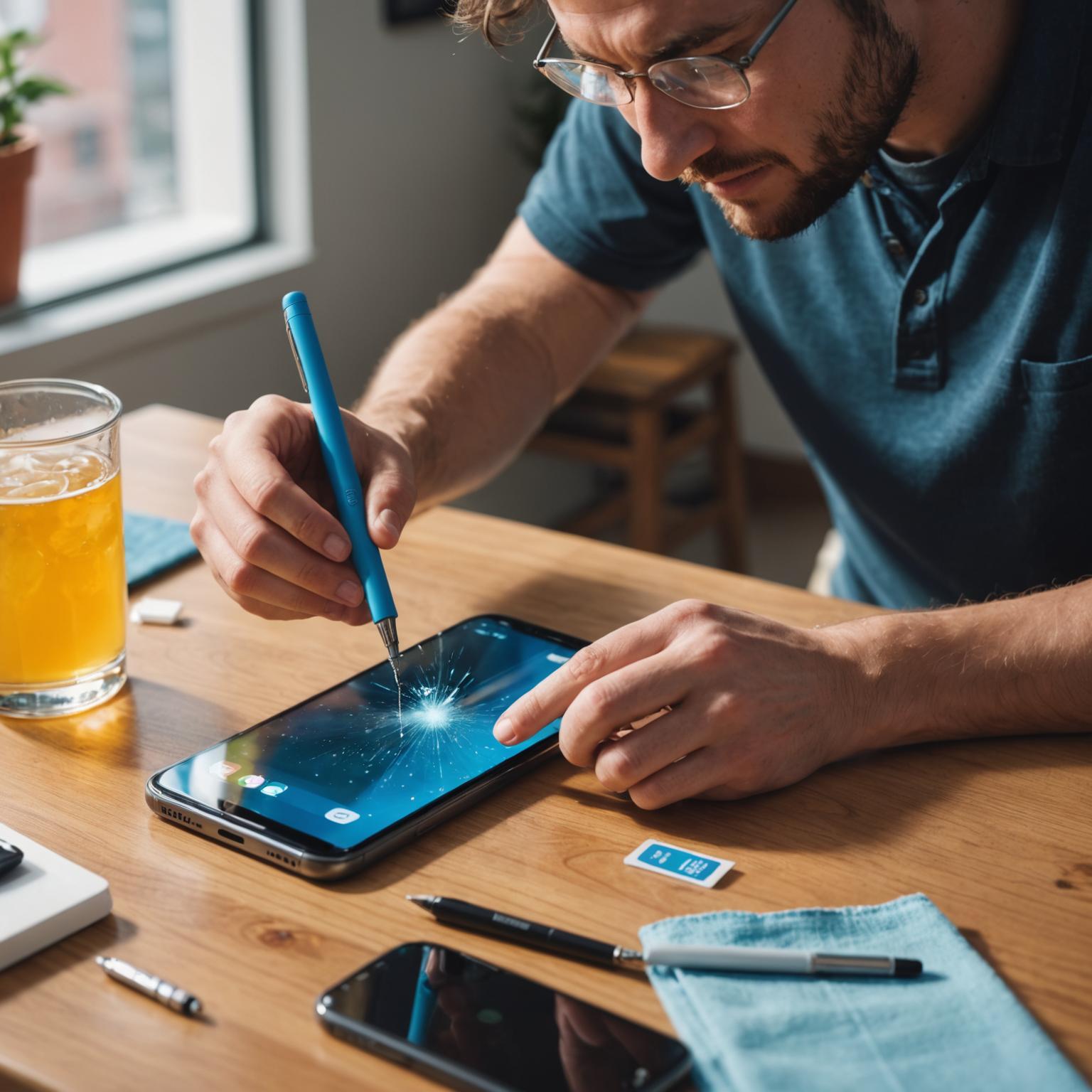
What are glass screen protectors and why are they so popular?
Glass screen protectors are typically made from tempered glass, a type of safety glass processed by controlled thermal or chemical treatments to increase its strength compared with normal glass. Their popularity stems from several key advantages. Firstly, they offer excellent scratch resistance, often rated at 9H hardness, which means they can withstand scratches from everyday objects like keys and coins. Secondly, they provide significant impact protection, absorbing much of the shock from accidental drops and potentially saving your phone’s actual screen from cracking. Thirdly, high-quality glass protectors offer superior optical clarity, ensuring your –display remains vibrant and sharp. Finally, they mimic the feel of the original phone screen, providing a smooth and responsive touch experience that plastic protectors often can’t match.
Are glass screen protectors better than plastic alternatives?
For most users, the answer is a resounding yes. While plastic screen protectors (often made of PET or TPU) can offer a basic level of scratch protection and are typically cheaper, glass screen protectors excel in several areas. Tempered glass is significantly more durable and offers better resistance against deeper scratches and impacts. In terms of clarity, glass protectors are usually clearer and don’t yellow over time like some plastic versions might. The tactile experience is also a major differentiator; glass feels much smoother and more responsive to touch, closely replicating the phone’s native screen. While installation for both can be tricky, many find glass protectors easier to apply bubble-free due to their rigidity.
What should I look for when choosing a glass screen protector for iPhone?
When selecting a glass screen protector for iPhone, several factors are important. Firstly, ensure it’s specifically designed for your iPhone model to guarantee a perfect fit, covering the –display area correctly and accommodating any notches or cutouts for sensors and the camera. Check the hardness rating – 9H is the industry standard and offers excellent scratch resistance. Thickness is another consideration; thinner protectors (around 0.3mm) are common and provide good protection without adding too much bulk. Look for features like 2.5D or 3D curved edges, which provide a smoother feel at the edges and can offer more comprehensive coverage, especially for iPhones with curved screen edges. An oleophobic coating is also crucial; this helps repel oils from fingerprints, keeping your screen cleaner and easier to wipe down. Some brands also offer enhanced impact resistance.
What is an anti-glare screen protector and do I need one?
An anti-glare screen protector, sometimes called a matte screen protector, is designed to reduce reflections and glare from bright light sources, such as sunlight or strong indoor lighting. It achieves this through a micro-etched or matte finish on its surface, which diffuses light instead of reflecting it directly back at your eyes. If you frequently use your phone outdoors or in brightly lit environments and find glare to be a persistent issue, an anti-glare screen protector can significantly improve visibility and reduce eye strain. They also tend to be more resistant to fingerprints and smudges. However, this matte finish can sometimes slightly reduce the perceived sharpness or vibrancy of the –display. Whether you need one depends on your usage habits and how much glare bothers you. Many users find the trade-off for reduced reflection well worth it.
How do I install a glass screen protector correctly?
Proper installation is key to ensuring your glass screen protector performs optimally and looks its best. Start by thoroughly cleaning your phone’s screen using the provided alcohol wipe and microfiber cloth to remove all dust, oils, and smudges. Working in a dust-free environment can also help. Many kits include a dust removal sticker; use this to pick up any remaining microscopic particles. Next, carefully peel the protective film from the adhesive side of the screen protector. Align the protector precisely with your phone’s screen, paying close attention to cutouts for speakers, cameras, and buttons. Once aligned, gently lay it onto the screen. It should start adhering on its own. If there are any air bubbles, use a squeegee or a credit card wrapped in a microfiber cloth to gently push them towards the edges. Small bubbles often disappear on their own within 24-48 hours.
Can a glass screen protector damage my phone screen?
Generally, a quality glass screen protector will not damage your phone’s screen; it’s designed to do the opposite – protect it. The adhesives used are typically silicone-based, which are strong enough to hold the protector in place but gentle enough not to leave residue or damage the screen upon removal. However, if a protector is installed incorrectly with trapped debris underneath, that debris could potentially cause micro-scratches if pressure is applied. Similarly, if a protector shatters upon impact, it’s important to remove it carefully to avoid any sharp edges from scratching the screen during removal, though this is rare as the shattered pieces usually stick to the adhesive layer. When removed correctly, there should be no harm to your device’s original –display.
How durable are these advanced screen protectors and when should I replace one?
Tempered glass protectors are quite durable against everyday wear and tear like scratches from keys or coins. However, they are designed to sacrifice themselves in the event of a significant drop or impact. This means the protector might crack or shatter, but in doing so, it absorbs the force that might otherwise have damaged your phone’s actual screen. You should replace your screen protector if it becomes cracked or chipped, as this compromises its structural integrity and protective capabilities. Deep scratches that are visible or affect touch sensitivity are also a reason for replacement. If the edges start to lift or peel, it can allow dust and debris underneath, so it’s best to replace it then too. Essentially, once it’s no longer providing a clear, smooth, and fully intact surface, it’s time for a new one.