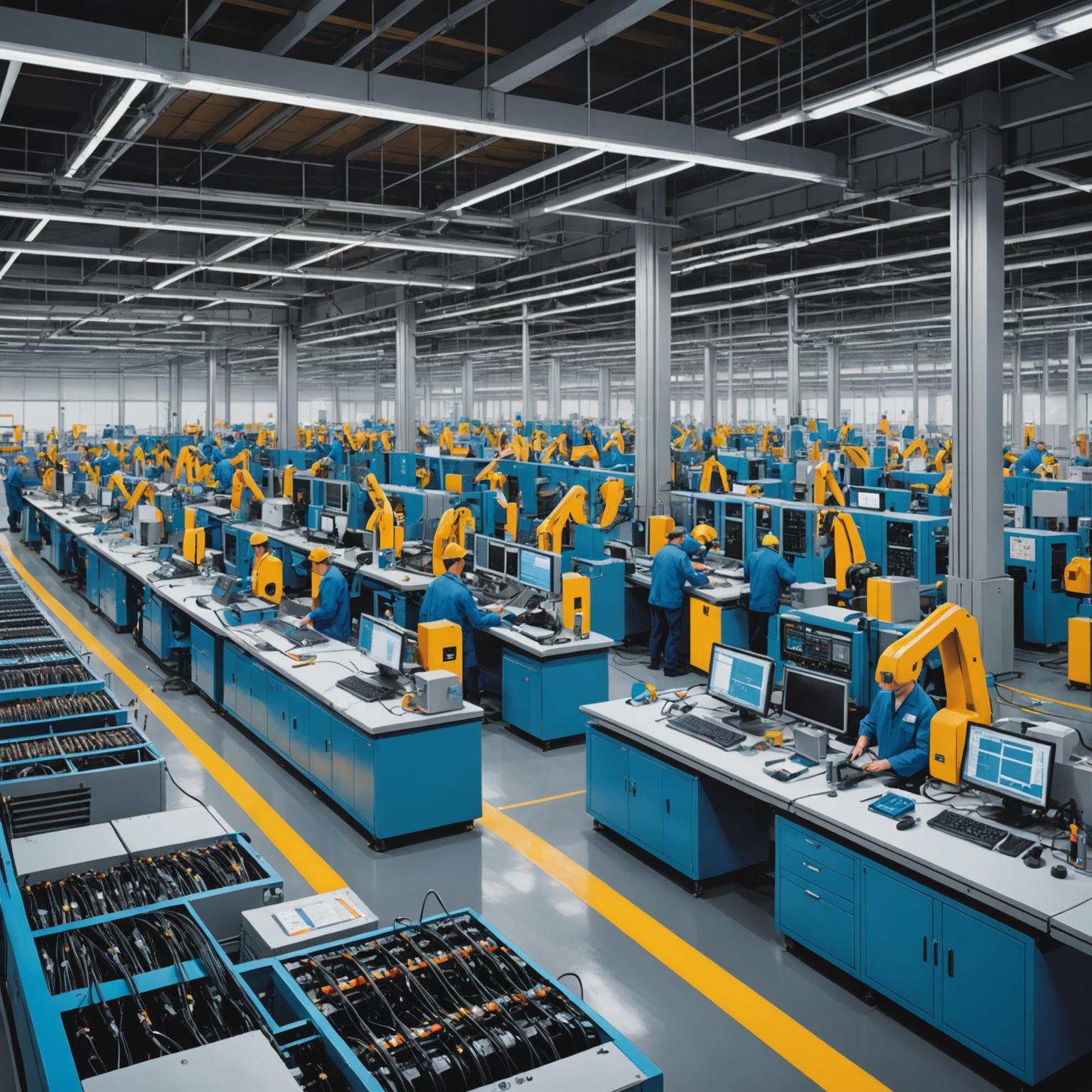
In today’s hyper-connected world, data cables are the unsung heroes that keep our digital lives running smoothly. From transferring large files to streaming high-definition media and enabling crucial communication networks, these conduits of information are indispensable. Understanding where these cables come from and how they are made, often within a specialized data cable factory, can help us appreciate their importance and make informed choices for our connectivity needs. This guide will walk you through the essentials of data cables, including the intricacies of their creation and the specific benefits of advanced types.
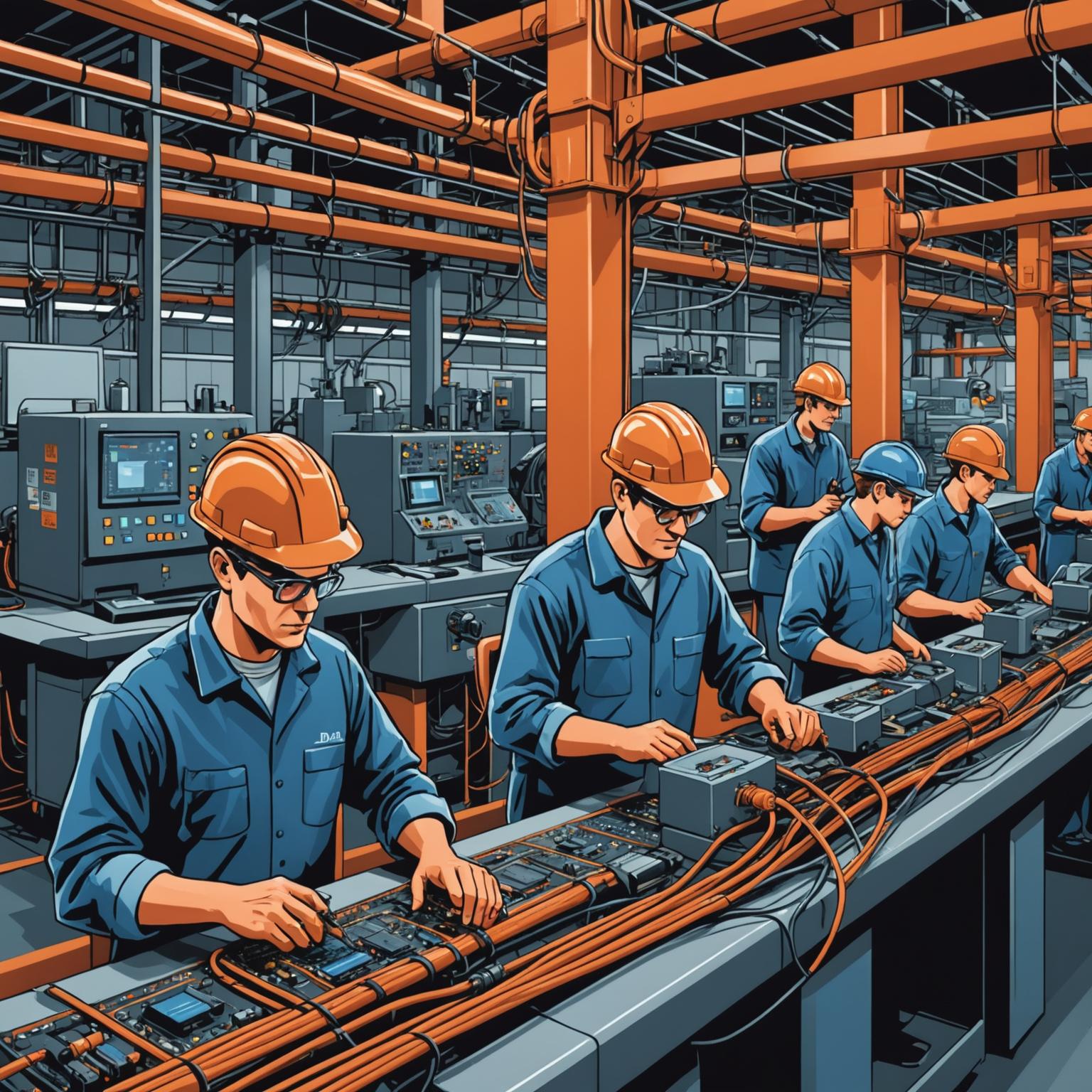
Navigating the World of Data Cable Production
The journey of a data cable from raw materials to a finished product is a complex one, known as data cable production. It typically begins with the selection of high-quality conductor materials, usually copper or optical fibers, which are then drawn to precise thicknesses. These conductors are insulated with various plastic compounds to prevent signal interference and ensure durability. Multiple insulated wires might be twisted together, especially in network cables, to minimize crosstalk. Shielding, using foil or braided metal, is often added for further protection against electromagnetic interference (EMI). Finally, the bundled and shielded cores are encased in a robust outer jacket, which provides physical protection and flexibility. The precision involved in data cable production is crucial for ensuring optimal performance and reliability, as even minor imperfections can lead to signal degradation or complete failure. Rigorous testing at various stages is standard practice to meet industry specifications.
The Brilliance of Fiber Optic Cables
Among the most advanced types of data transmission lines are fiber optic cables. Unlike traditional copper cables that transmit electrical signals, fiber optic cables use pulses of light to carry information through thin strands of glass or plastic. This technology offers significant advantages, including much higher bandwidth, meaning they can carry more data at faster speeds. Fiber optic cables are also immune to electromagnetic interference, making them ideal for environments with high electrical noise. Furthermore, they can transmit data over much longer distances with less signal loss compared to copper cables. The production of these cables involves drawing highly purified silica glass into fine fibers, coating them with protective layers, and then bundling them into cables. The precision required for manufacturing effective fiber optic cables underscores the advanced capabilities needed in modern data transmission technology.
How to Choose the Right Data Cable for Your Needs
Selecting the appropriate data cable can seem daunting, but understanding your requirements makes the process easier. First, identify the type of connection you need – is it for internet connectivity (like an Ethernet cable), connecting peripherals to your computer (like USB), or for high-definition video and audio (like HDMI)? For general home or office networking, Cat 6 or Cat 6a Ethernet cables are common choices, offering good speeds and reliability. When it comes to USB cables, consider the version (e.g., USB 3.0, USB-C) which dictates data transfer speed and power delivery capabilities. For cutting-edge performance, especially for long-distance or high-bandwidth applications, specialized options like fiber optic cables are unparalleled, though they are often used for infrastructure rather than direct consumer device connections for everyday use. Always look for cables from reputable manufacturers who adhere to quality standards, as this ensures better performance and longevity. This often means looking for products that come from a well-regarded data cable factory that prioritizes engineering and testing.
The Critical Role of a Data Cable Factory in Quality Assurance
The quality of your data transmission heavily relies on the manufacturing standards of the cable. A proficient data cable factory plays a pivotal role in this by implementing stringent quality control measures throughout the data cable production process. This includes sourcing high-grade raw materials, employing precise manufacturing techniques, and conducting thorough testing for signal integrity, durability, and compliance with international standards. Investing in cables from a facility known for its commitment to quality means you are less likely to experience issues like slow transfer speeds, intermittent connections, or premature cable failure. Advanced factories also invest in research and development to innovate and improve cable designs, catering to the ever-increasing demands for faster and more reliable data transmission, including the robust production of sophisticated fiber optic cables.
The Evolving Landscape: Future of Data and Power
The world of connectivity is constantly evolving. We are seeing a trend towards cables that can handle both high-speed data transfer and significant power delivery, simplifying our device ecosystems. USB-C is a prime example of this convergence, capable of transmitting data, video, and power over a single robust connection. Innovations in data cable production are also leading to more durable, flexible, and even eco-friendly cable options. As devices get more powerful and our reliance on seamless connectivity grows, the demand for high-performance data cables, from advanced copper variants to the next generation of optical solutions, will only increase. Understanding these trends can help you future-proof your setup and choose a manufacturing partner that is at the forefront of technology.
Conclusion: Investing in Reliable Connections
In conclusion, data cables are critical components of our modern technological infrastructure. From understanding the basics of their production to recognizing the specific advantages of different types like versatile copper cables or high-performance optical solutions, making informed choices is key. By prioritizing quality, which often stems from the expertise and processes of a dedicated data cable factory, you ensure reliable, efficient, and fast connections for all your digital activities. Investing in good quality cables is an investment in a frustration-free and productive digital experience.