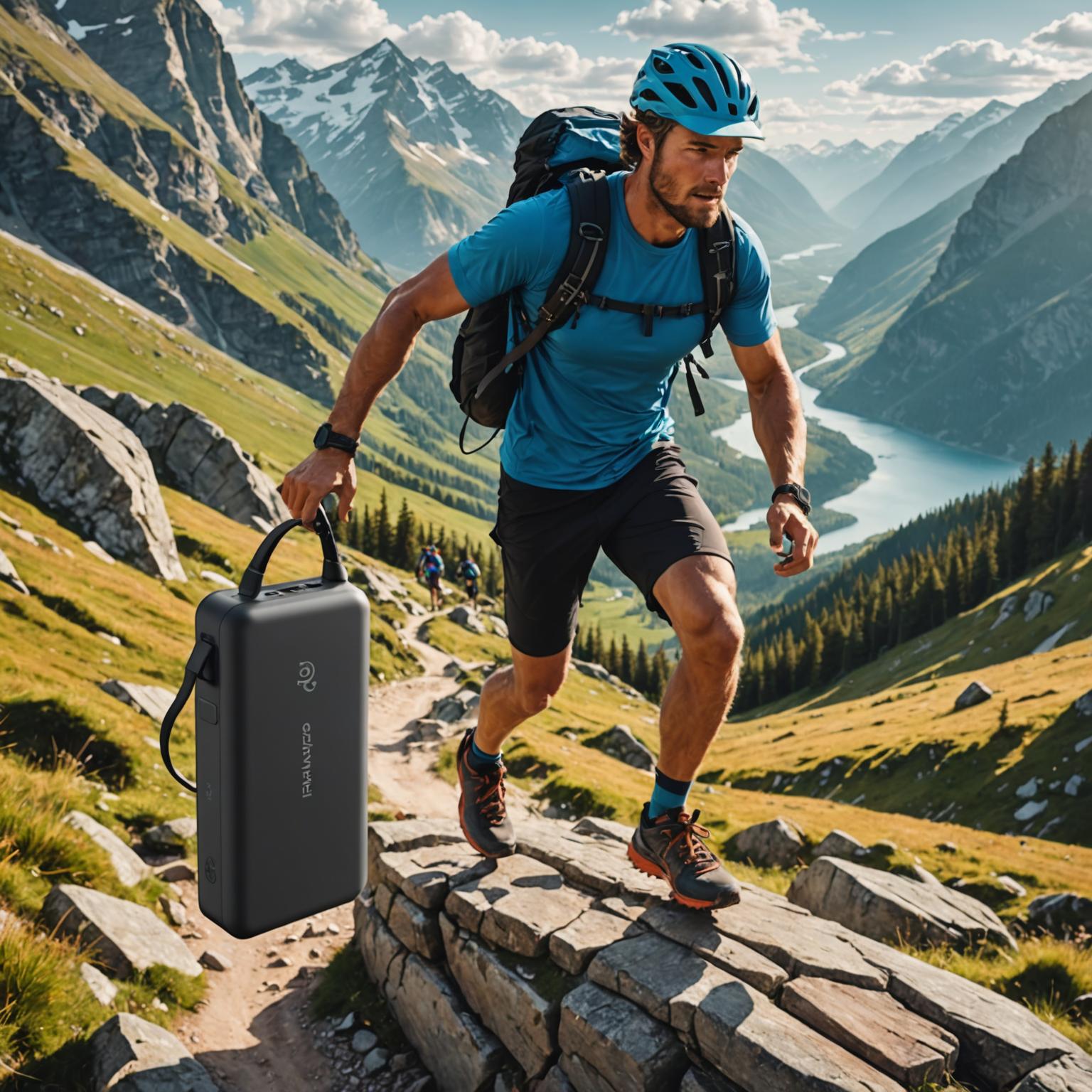
The Essential Companion: Understanding the Sport Power Bank
This is our independent website, you can check out our products.https://pjcases.com
In an age where digital connectivity is intertwined with nearly every aspect of our lives, including athletic pursuits, the need for reliable portable power is paramount. For an athlete, adventurer, or fitness enthusiast, a dead phone or GPS device can range from a minor inconvenience to a significant safety concern. This is where the specialized sport power bank comes into play, engineered to withstand the rigors of active lifestyles while ensuring your essential gadgets remain operational. These devices are not just standard portable chargers; they are robust, often enhanced with features tailored for performance and durability in challenging environments.

Core Technical Attributes of High-Performance Power Banks
When delving into the technicalities of a sport power bank, several key characteristics define its suitability for demanding use. Durability is a primary concern, often indicated by Ingress Protection (IP) ratings, which quantify resistance to dust and water. For instance, an IP67 rating signifies a device that is dust-tight and can withstand submersion in water up to 1 meter for 30 minutes. Shock absorption capabilities, achieved through reinforced casings made from materials like polycarbonate or rubberized TPU, are also crucial. Internally, the choice between Lithium-ion (Li-ion) and Lithium-polymer (Li-Po) battery cells impacts the power bank’s size, weight, and shape. Li-Po batteries, for example, offer greater flexibility in design and are generally lighter. Capacity, measured in milliampere-hours (mAh), dictates how much charge the power bank can store; a higher mAh value means more charges for your devices, but typically also a larger and heavier unit.
Engineered for the Wilderness: The Outdoor Power Bank
For those who venture into the great outdoors, an outdoor power bank requires an even more specialized set of features. Beyond standard ruggedization, these models may incorporate integrated solar panels for emergency recharging when off-grid, although solar charging efficiency is typically slow and best suited for topping up rather than full recharges. Built-in LED flashlights, sometimes with SOS signaling modes, are common and highly practical additions. The construction materials are chosen for extreme temperature tolerance and resistance to UV degradation. The overall design philosophy for an outdoor power bank prioritizes resilience and self-sufficiency, making it a critical piece of gear for hikers, campers, and explorers who need dependable power far from conventional sources.
Optimized for Agility: The Lightweight Power Bank for Fitness
For athletes engaged in activities like running, cycling, or gym workouts, every gram matters. A lightweight power bank for fitness focuses on minimizing bulk and weight without overly compromising on capacity. This is achieved through the use of advanced Li-Po cells, compact circuitry, and lightweight casing materials like high-grade aluminum or minimalist polymer shells. Ergonomics also play a vital role; these power banks are often designed to be easily stowed in small pockets, armbands, or hydration packs. Some models might feature streamlined shapes or attachment points for secure carrying. The challenge for manufacturers is striking the perfect balance between portability – essential for unhindered movement – and sufficient power to keep fitness trackers, smartphones, or wireless headphones running throughout extended training sessions.
Beyond Utility: Exploring Funny Sports Power Bank Designs
While technical performance is paramount, aesthetics and innovative design also find their place in the power bank market. The category of funny sports power bank designs caters to users looking for a touch of personality or novelty. These might include power banks shaped like miniature sports equipment (e.g., dumbbells, soccer balls), adorned with vibrant sports-themed graphics, or featuring unconventional forms that are both eye-catching and functional. Although “funny” might suggest a less serious approach, the underlying technology often remains robust. These designs can make for great conversation starters or personalized gifts for sports enthusiasts, merging practical power needs with a sense of fun and individuality. Material finishes can also contribute, with options ranging from matte, soft-touch surfaces to glossy, patterned exteriors.
Critical Charging Technologies and Port Configuration
The technical prowess of a sport power bank extends to its charging capabilities and interface options. Modern units frequently feature multiple output ports, including USB-A and the increasingly prevalent USB-C. USB-C ports often support Power Delivery (PD), a fast-charging standard capable of delivering significantly higher power outputs, suitable for rapidly charging smartphones, tablets, and even some compatible laptops. Quick Charge (QC) technology from Qualcomm is another common fast-charging protocol found in many power banks. The input charging speed of the power bank itself is also a crucial factor; a high-capacity unit can take many hours to recharge if it only supports slow input. Essential safety features include protection against overcharge, over-discharge, over-current, short-circuit, and overheating, typically managed by an integrated Battery Management System (BMS).
Choosing Your Power Ally: Selecting the Ideal Sport Power Bank
Selecting the right sport power bank, whether it’s a rugged outdoor power bank or a sleek lightweight power bank for fitness, requires a careful assessment of individual needs and usage patterns. Consider the devices you need to charge and their battery capacities to determine the appropriate mAh rating for your power bank. For instance, a 10,000mAh unit can typically recharge a modern smartphone 2-3 times. Scrutinize build quality and material specifications, especially if you anticipate using the power bank in harsh conditions. Pay attention to the number and type of output ports to ensure compatibility with your gadgets and potentially charge multiple devices simultaneously. Investigating the lifespan of the power bank, often rated in charging cycles, and understanding the manufacturer’s warranty can also provide insight into its long-term value and reliability, ensuring your chosen power bank remains a steadfast companion.