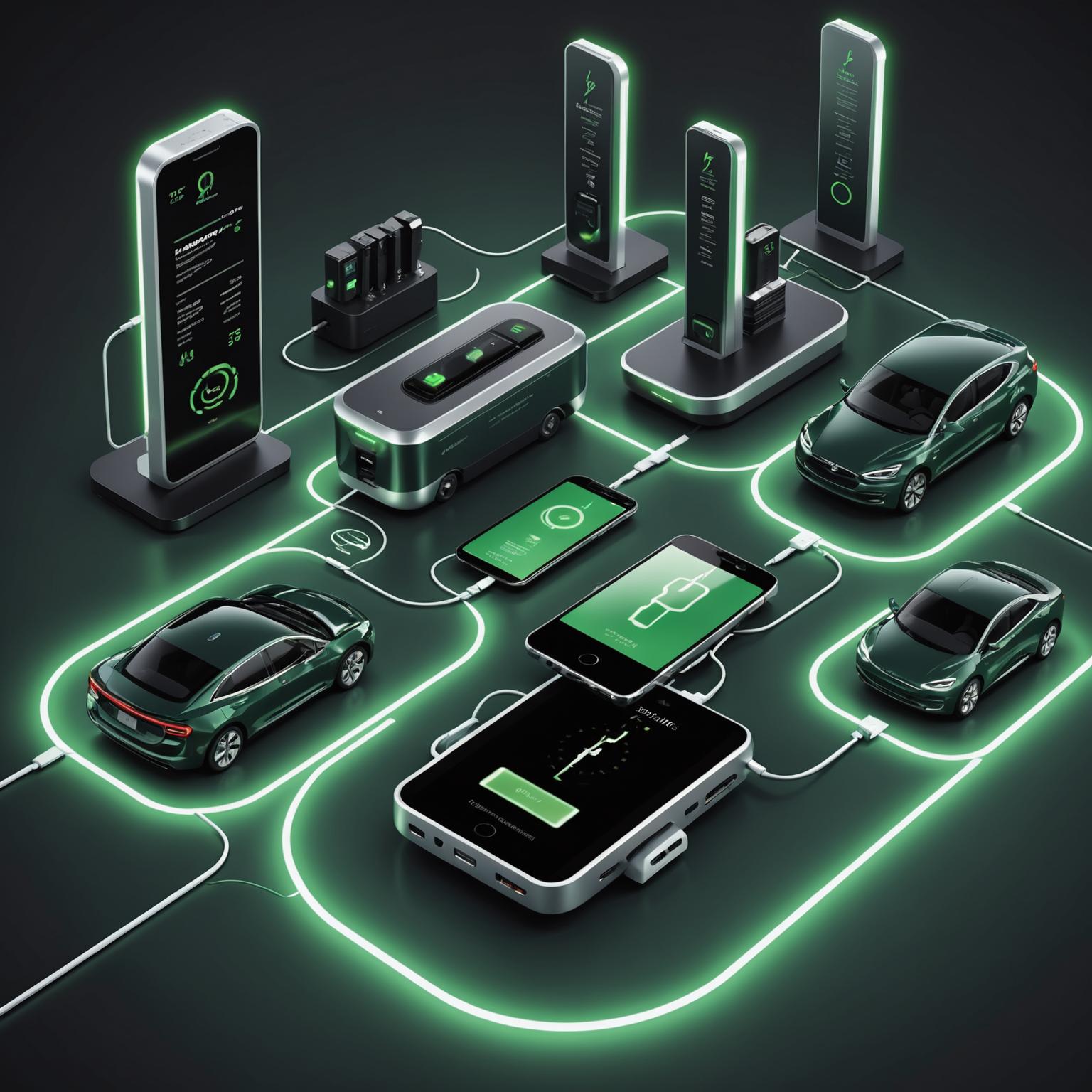
The Evolution of Power: Understanding Fast Charging
This is our independent website, you can check out our products.https://pjcases.com
In our increasingly connected world, the demand for devices that can keep up with our busy lives has never been greater. Waiting for hours for a smartphone or tablet to power up is a significant inconvenience, a problem elegantly solved by the modern fast charger. This technology has fundamentally changed our relationship with our gadgets, allowing for rapid power boosts that get us back to full strength in a fraction of the time it once took. By delivering significantly more power to a device’s battery compared to standard chargers, this innovation ensures that a low battery warning is merely a brief interruption rather than a prolonged one.
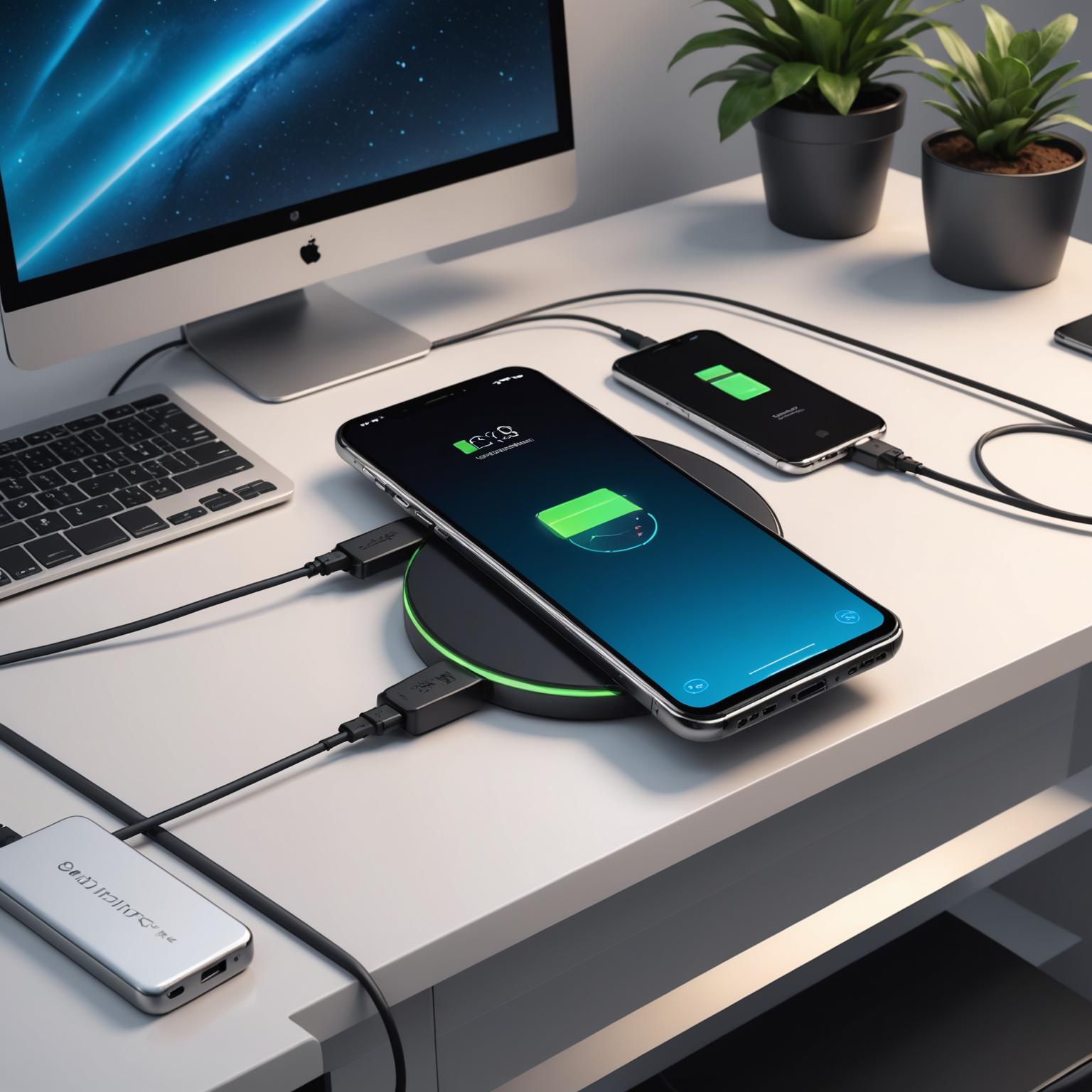
The Science of Speed: How Fast Charging Works
A charger’s power output, measured in watts (W), is the product of its voltage (V) and amperage (A). A standard USB port traditionally delivers a low power output, such as 5 volts at 1 amp, resulting in 5 watts. A fast charger operates by intelligently increasing either the voltage, the amperage, or both, to deliver much higher wattage. Early in the charging cycle when the battery is low, it can accept a high rate of charge. The charger and the device communicate to negotiate the highest possible power level the device can safely handle. As the battery fills up, typically past 80%, the charger reduces the power flow to prevent overcharging and minimize heat generation, which is crucial for protecting the long-term health of the battery.
Decoding the Standards: Quick Charge Technology Explained
Not all fast charging is created equal. The market is populated by various standards and protocols, with the most prominent being USB Power Delivery (USB-PD) and Qualcomm’s Quick Charge technology. USB-PD is an open standard that has gained widespread adoption, especially with the rise of the USB-C connector. It allows for a wide range of power levels, making it suitable for everything from smartphones to laptops. Qualcomm’s quick charge technology is another popular proprietary standard found in many Android devices, offering backward compatibility with older versions. For optimal performance, both the device and the charger must support the same protocol. Using a charger with a different standard will typically result in charging at a slower, non-optimized speed.
Choosing Your Power Source: The Fast Charger Adapter
Selecting the right fast charger adapter is critical to unlocking the full potential of your device’s charging capabilities. It is not enough to simply have a phone that supports fast charging; you need a compatible wall adapter and cable. When purchasing a fast charger adapter, you must check its specifications to ensure it supports the protocol your device uses, such as USB-PD or a specific version of Quick Charge. The maximum wattage output should also be considered. A 45W adapter, for instance, can charge a compatible device much faster than an 18W one. Furthermore, the cable itself plays a vital role. High-wattage charging, especially with USB-PD, requires a certified USB-C cable capable of handling the increased power flow safely and efficiently.
Safety, Efficiency, and Battery Longevity
A common concern is whether the increased power from a fast charger degrades battery health over time. Modern charging systems are equipped with sophisticated safeguards to prevent this. The device and charger constantly communicate to monitor temperature and voltage. If the battery temperature rises beyond a safe threshold, the charging speed is automatically throttled to prevent damage. This intelligent power management ensures that fast charging is not only swift but also safe. While a battery’s capacity will naturally degrade over its lifespan, using a certified and compatible system minimizes any additional stress, allowing you to enjoy the convenience of rapid charging without significant long-term compromise.