This is our independent website, you can check out our products.https://pjcases.com
In our ever-evolving digital landscape, the simple data cable remains an indispensable tool for powering and connecting our devices. While wireless technologies like MagSafe offer incredible convenience for charging, the reliability and speed of a high-quality physical connection are often unmatched. Whether you’re transferring important files or need a quick power boost, understanding your cable options and accessories is key to a seamless tech experience. This guide will walk you through the essential things to know about cables and the accessories that complement them.
1. Choosing the Right USB Data Cable
Navigating the world of cables can be confusing, but it mostly boils down to connector types. The most common varieties include USB-A, the classic rectangular port; Micro-USB, often found on older devices; USB-C, the modern, reversible standard offering faster speeds; and Apple’s Lightning connector. Selecting the correct USB data cable is crucial not just for compatibility, but also for performance. A USB-C to USB-C cable, for example, can support much faster charging and data transfer rates than an older USB-A to Micro-USB cable. Always check your device’s specifications to ensure you purchase a cable that can deliver the optimal power and speed it’s designed for.
2. Essential Data Cable Accessories
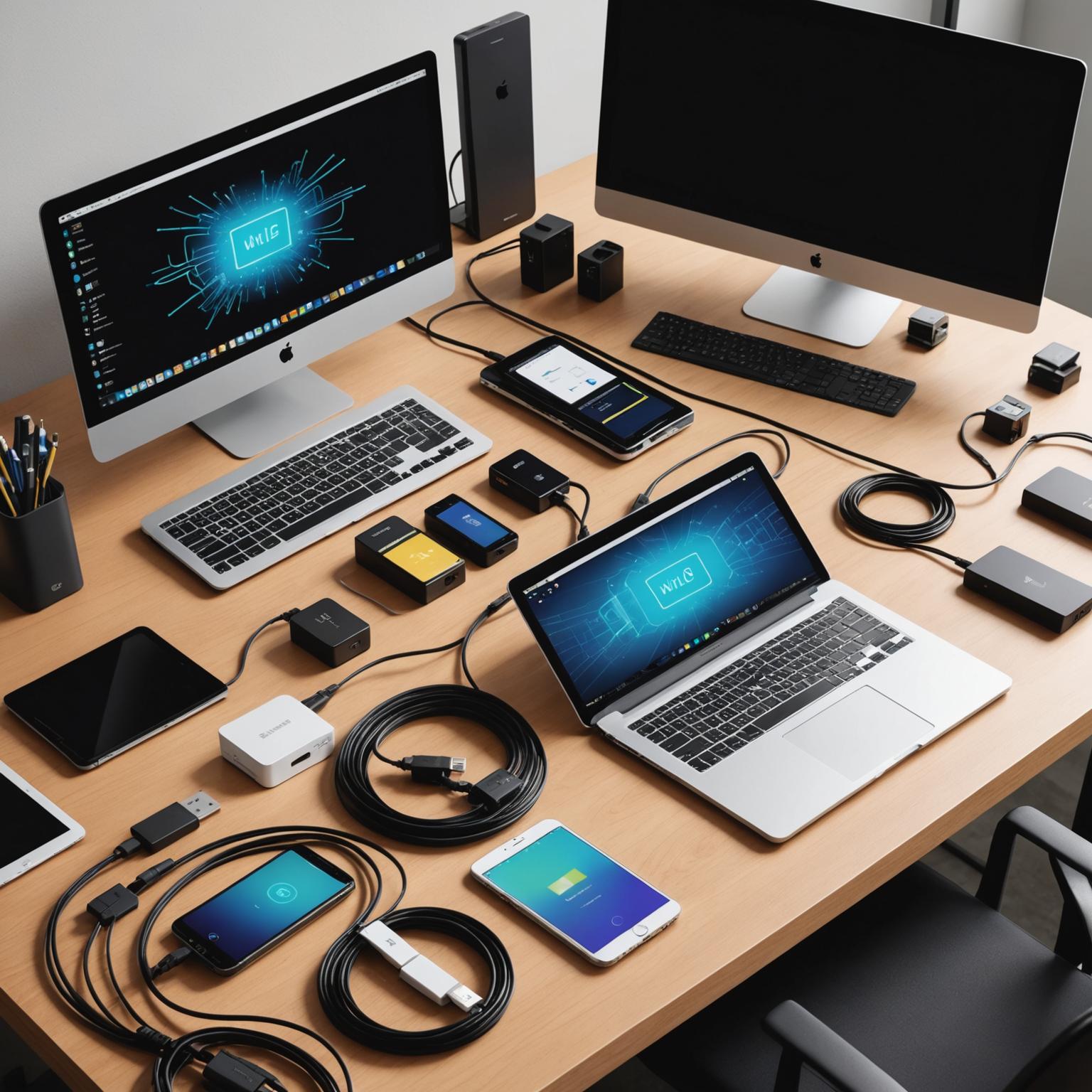
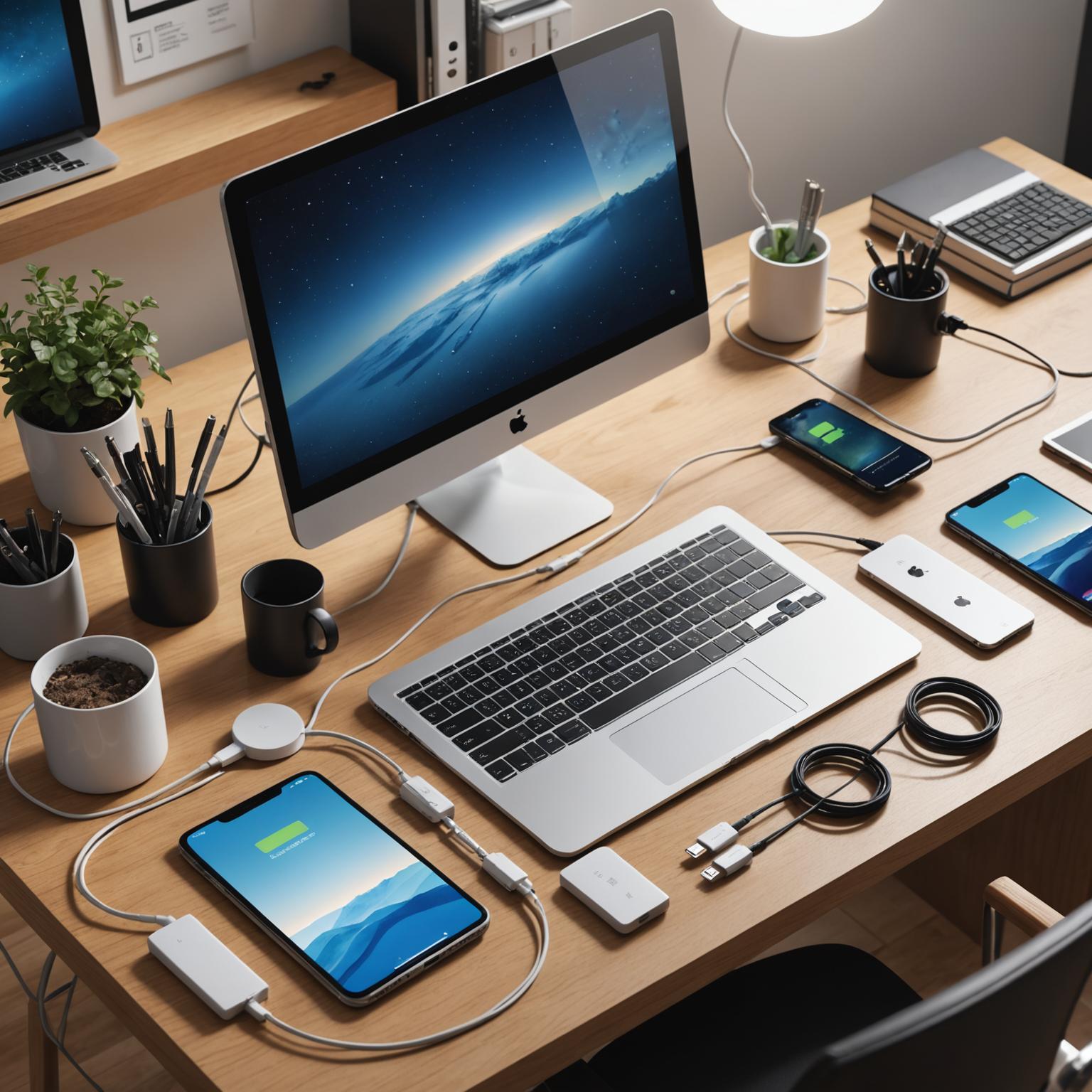
To get the most out of your cables and extend their lifespan, investing in a few data cable accessories is a brilliant idea. Cable protectors that wrap around the fragile joint where the wire meets the connector can prevent fraying and breakage from daily bending and pulling. For organization, cable ties, magnetic clips, or management sleeves can keep your desk or travel bag tidy and prevent a tangled mess. These small additions not only protect your investment but also bring a level of order to your charging setup, making your daily routine more efficient. Having the right data cable accessories is almost as important as the cable itself.
3. The Importance of Quality Over Price
It can be tempting to buy the cheapest cable available, but this is often a mistake. Low-quality cables can pose several risks, from frustratingly slow charging speeds to incomplete data transfers. In worst-case scenarios, a poorly made data cable can even damage your device’s battery or charging port due to unstable power delivery. Reputable brands use durable materials and adhere to safety standards, ensuring their products are reliable and safe. Investing a little more in a certified, high-quality cable provides peace of mind and better performance in the long run.
4. The Role of Cables in a Wireless World
Even with the rise of elegant wireless solutions like MagSafe-compatible cases, the USB data cable is far from obsolete. Wireless charging pads themselves need to be plugged into a power source, typically using a USB cable. Furthermore, for tasks that require the fastest possible data transfer speeds, like backing up your entire phone to a computer, a direct wired connection is still superior. A good cable serves as a reliable backup when wireless isn’t available or when you need the fastest charge possible before heading out the door, proving that both technologies can coexist to offer maximum flexibility.