
This is our independent website, you can check out our products.https://pjcases.com
In our increasingly digital and connected world, the humble data cable remains one of the most essential and often overlooked components of our technology ecosystem. These critical conduits are responsible for everything from charging our smartphones to facilitating massive file transfers between high-performance devices. While often seen as a simple accessory, the technology packed within modern high-speed data cables is surprisingly complex and crucial for achieving the performance we expect from our gadgets. Understanding the technical specifications behind these cables is key to unlocking the full potential of your devices.
Understanding the Core Components
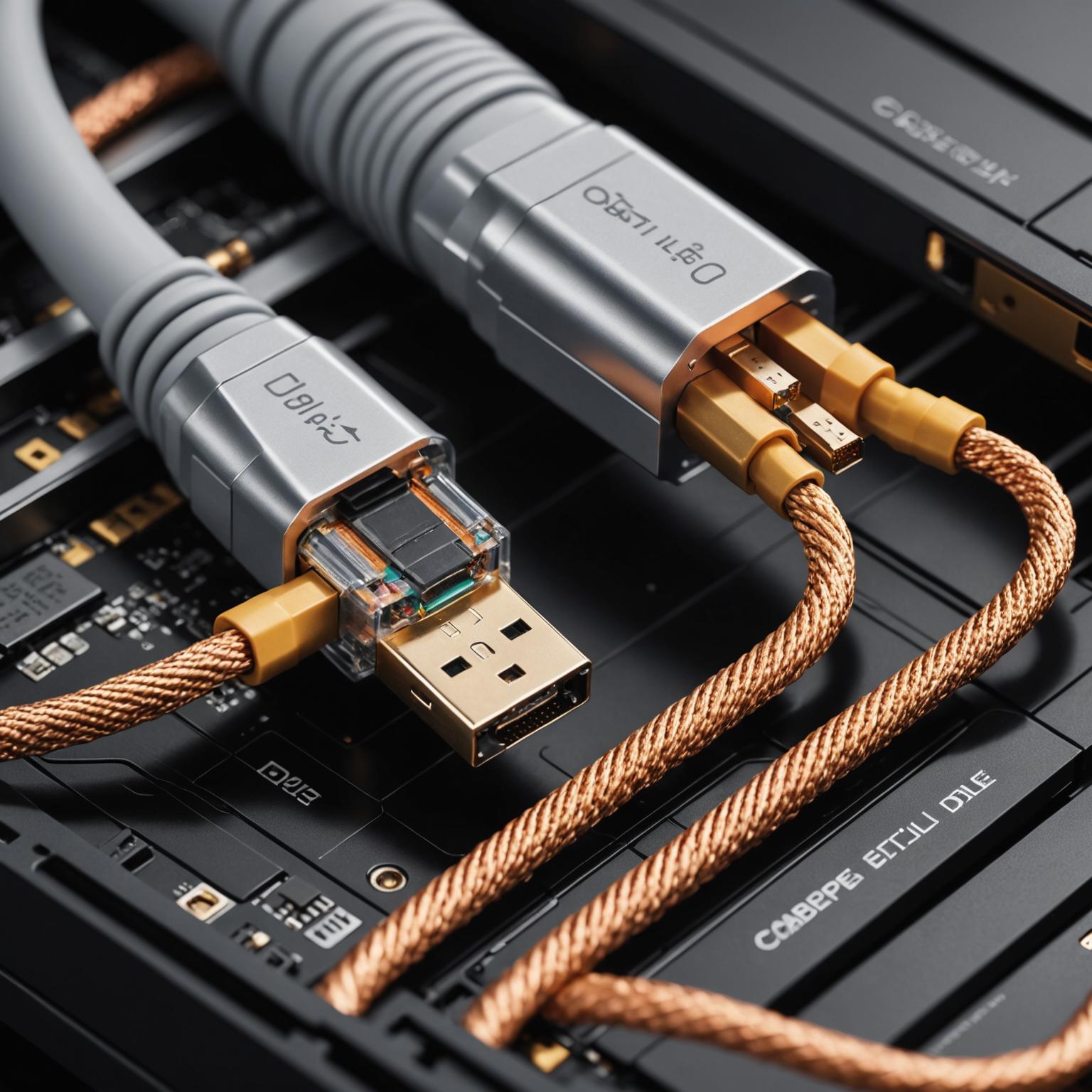
Beneath the simple outer jacket of a high-quality data cable lies a carefully engineered set of components designed to work in harmony. The core of the cable consists of multiple insulated copper wires. In high-speed data cables, these are typically arranged in twisted pairs to cancel out electromagnetic interference (EMI) from external sources and reduce crosstalk between the wires themselves. To further protect signal integrity, a layer of shielding, often made of aluminum foil and a braided copper mesh, is wrapped around the data wires. This shielding is critical for preventing signal degradation, especially over longer distances or in environments with a lot of electronic noise. The final piece is the outer jacket, usually made from materials like PVC or TPE, which provides physical protection, durability, and flexibility.
Protocols and Speeds: What Do They Mean?
The physical construction of a cable is only half the story; its performance is ultimately defined by the data transfer protocols it is certified to support. Standards like USB (Universal Serial Bus) have evolved dramatically, from the early USB 2.0 with its 480 Mbps speed to the latest USB4 standard, which can achieve speeds of 40 Gbps and beyond. To handle these blistering speeds, high-speed data cables must be manufactured to incredibly tight tolerances. Any imperfection in the wiring, shielding, or connector construction can lead to signal loss, resulting in slower transfer speeds or failed connections. When purchasing a cable for tasks like transferring 4K video or connecting to an external SSD, it is vital to select one that is explicitly rated for the required protocol (e.g., USB 3.2 Gen 2 or USB4) to ensure you are not creating a bottleneck in your workflow.
The Importance of Data Cables and Connectors
A cable is only as strong as its weakest link, and this is particularly true for the relationship between data cables and connectors. The connector is the physical interface that bridges your devices, and its quality is paramount. Modern connectors like USB-C have become the dominant standard due to their reversible design, higher power delivery capabilities, and support for alternate modes that can transmit video signals like DisplayPort. The materials used in a connector, such as gold-plated contacts for improved conductivity and corrosion resistance, and robust strain relief to prevent wear and tear at the connection point, significantly impact both the performance and lifespan of the entire assembly. A poorly constructed connector can undermine the capabilities of an otherwise excellent data cable.
Selecting the Right Cable for Your Needs
Choosing the correct cable requires a clear understanding of its intended application. For simply charging a low-power device overnight, a basic, certified cable will suffice. However, for data-intensive tasks or fast charging a high-end laptop, a more advanced solution is necessary. Always look for certifications from official bodies like the USB Implementers Forum (USB-IF), as this guarantees the cable meets established performance and safety standards. Consider the required length carefully; while longer cables offer more convenience, signal integrity can degrade over distance. For high-speed applications, it is often best to use the shortest cable that meets your needs and is specifically engineered and shielded for high-bandwidth data transmission, ensuring a reliable and efficient connection every time.