
This is our independent website, you can check out our products.https://pjcases.com
The evolution of personal audio technology has brought forth remarkable innovations, among which the advent of the waterproof earphone stands out as a significant leap. These devices cater not only to audiophiles seeking an uninterrupted listening experience during workouts or in rainy conditions but also to athletes, particularly swimmers, who wish to integrate music into their rigorous training sessions. The demand for durable and resilient audio solutions has paved the way for sophisticated engineering designed to protect sensitive electronic components from water ingress, ensuring both longevity and consistent performance.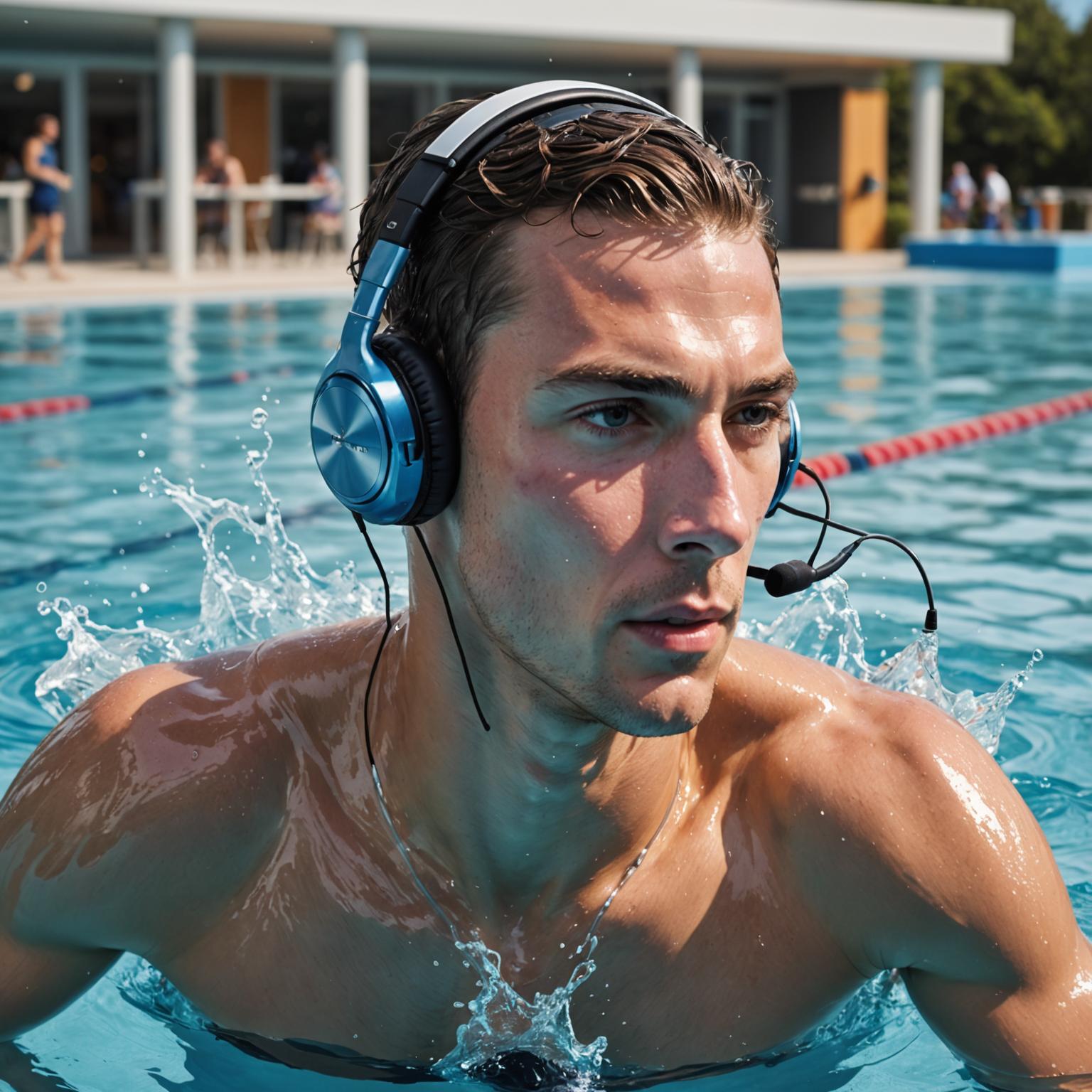
Understanding Waterproofing: The IP Rating System
When discussing any waterproof earphone, the Ingress Protection (IP) rating is a critical technical specification to understand. This standardized system classifies the degree of protection provided by an enclosure against the intrusion of solid objects (like dust) and liquids (water). An IP rating is typically followed by two digits, for example, IP67. The first digit (0-6) indicates protection against solid particles, with ‘6’ signifying complete dust-tight protection. The second digit (0-9K) relates to liquid ingress protection. For audio devices intended for use in wet environments, a rating of IPX7 or IPX8 is common. IPX7 means the device can be submerged in up to 1 meter of water for 30 minutes. IPX8 signifies protection against continuous immersion in water under conditions specified by the manufacturer, often deeper than 1 meter. Understanding these ratings is paramount for selecting earphones suitable for specific activities, from resisting sweat during a run to full submersion for swimming.
The Engineering Behind Water Resistance in Earphones
Achieving robust water resistance in earphones involves a combination of advanced materials and meticulous design. Manufacturers employ several techniques to create a barrier against moisture. Nano-coating is a popular method where a microscopically thin layer of hydrophobic material is applied to both external and internal components. This coating repels water, causing it to bead up and roll off. Another common approach is the use of precisely sealed casings, often employing gaskets and o-rings made from waterproof materials like silicone to prevent water from reaching the internal electronics. For truly waterproof in-ear headphones, the drivers and internal circuitry might be housed in completely sealed acoustic chambers. The choice of materials for the earphone body itself, such as specially treated plastics or corrosion-resistant metals, also plays a vital role in maintaining structural integrity and preventing water damage over time. These intricate engineering solutions ensure that your audio experience remains uncompromised, even in challenging, wet conditions.
Specialized Design for Aquatic Environments: Swimming Earphones
While many waterproof earphones can handle rain or sweat, dedicated swimming earphones require a more specialized design to perform effectively underwater. Bluetooth technology, which most wireless earphones rely on, has very limited range and reliability underwater due to water’s signal-blocking properties. Consequently, many high-performance swimming earphones incorporate built-in MP3 players with internal storage. This allows users to load music directly onto the device, eliminating the need for a wireless connection to a phone or other player. Secure fit is another critical aspect; these earphones often come with a variety of ear tip sizes and shapes, including fin-like stabilizers or behind-the-ear hooks, to ensure they stay in place during vigorous swimming strokes. The acoustic design must also account for how sound transmission changes in water, aiming to deliver clear audio despite the surrounding aquatic environment. Therefore, when selecting swimming earphones, features like onboard storage, impeccable fit, and consistent underwater audio delivery are key technical considerations.
Beyond the Pool: Everyday Utility of Waterproof In-Ear Headphones
The benefits of waterproof in-ear headphones extend far beyond dedicated swimmers. For fitness enthusiasts, these earphones provide reliable protection against sweat, which can be corrosive and damaging to standard electronics over time. Runners, cyclists, and hikers can confidently use them in unpredictable weather conditions without fearing damage from sudden rain showers. The durability inherent in their design often translates to a longer lifespan even with regular, demanding use. Sound quality in a good pair of waterproof in-ear headphones is not compromised; advancements in driver technology and acoustic sealing mean users can expect rich bass, clear mids, and crisp highs. Comfort and a secure fit remain paramount for extended listening sessions, whether during a long commute or an intense workout. Therefore, these robust audio companions offer peace of mind and high-fidelity sound for a wide range of active and daily scenarios.
Maintaining Your Waterproof Audio Gear
Proper maintenance is crucial for ensuring the longevity and optimal performance of your waterproof earphone. After exposure to water, especially chlorinated pool water or saltwater, it’s advisable to rinse them gently with fresh water. This helps remove any chemical residues or salt deposits that could potentially degrade the seals or exterior materials over time. Always dry the earphones thoroughly before storing them or charging them; using a soft, dry cloth is recommended. Avoid using harsh chemicals or abrasive materials for cleaning. It’s also important to inspect the ear tips and any sealing components regularly for signs of wear and tear, replacing them if necessary to maintain the waterproof integrity. For devices with charging ports, ensure the port and its cover (if applicable) are completely dry before connecting a charger to prevent short circuits or corrosion. Following these simple care instructions will help preserve the waterproof capabilities and audio quality of your device.
The Future of Resilient Audio
The technology behind the waterproof earphone and related devices like specialized swimming earphones continues to evolve, pushing the boundaries of durability and audio fidelity in challenging environments. From more robust IP ratings to innovative materials and sound technologies, manufacturers are consistently striving to meet the demands of active users. Choosing the right pair, whether it’s for intense aquatic training or simply for a worry-free audio experience during daily activities, involves understanding the technical specifications and how they align with individual needs. As this technology progresses, we can anticipate even more resilient and versatile audio solutions that seamlessly integrate into every aspect of our lives, regardless of the elements.