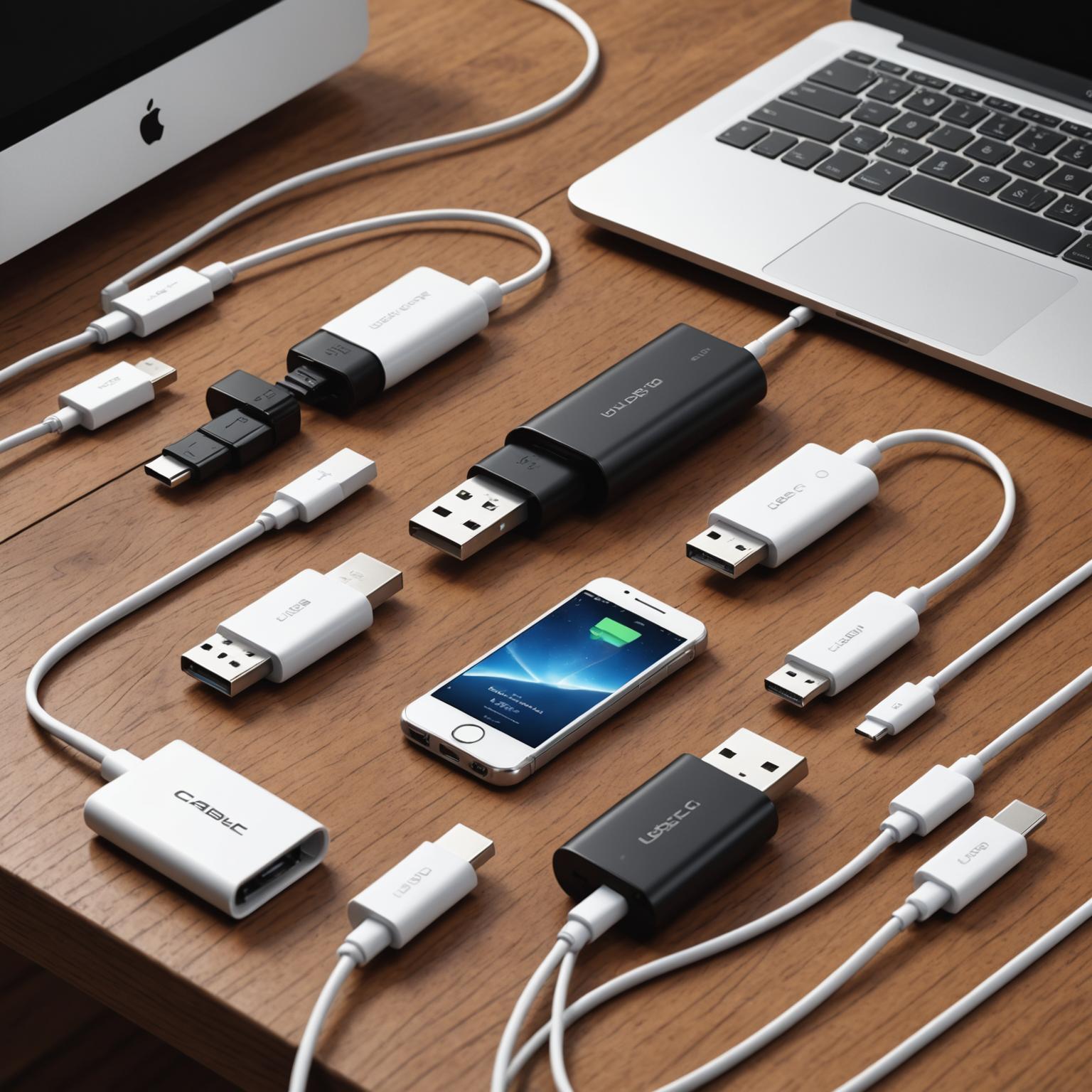
Your Guide to Data Cables
This is our independent website, you can check out our products.https://pjcases.com
Navigating the world of cables can be confusing, but understanding the basics of a data cable is essential for ensuring your devices charge quickly and transfer files efficiently. Whether you’re connecting your smartphone to a computer, charging a tablet, or linking peripherals, having the right cable makes all the difference. This guide will answer some of the most common questions to help you understand what to look for and how to choose the right option for your needs.
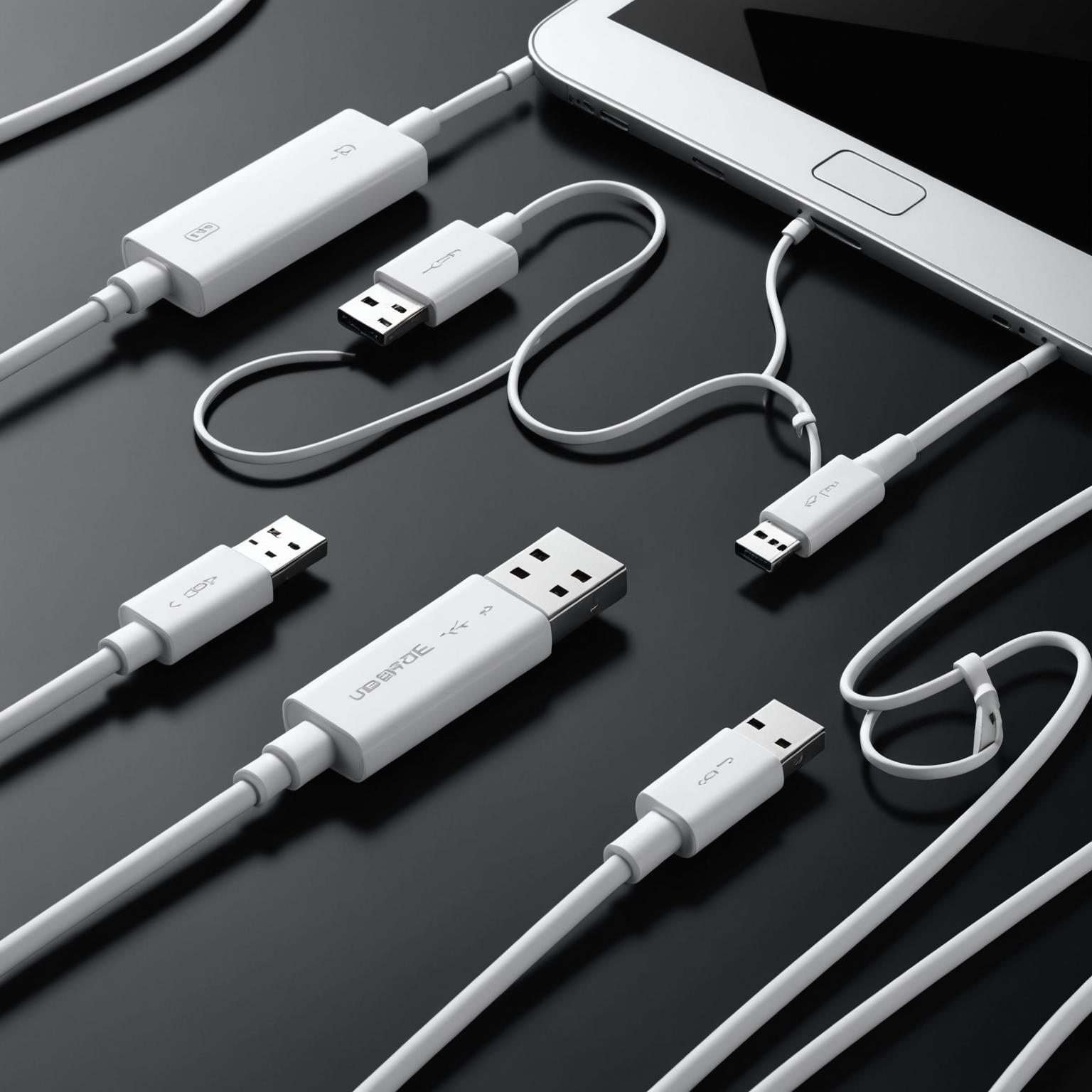
What is a USB data cable and how does it work?
A USB data cable is a physical medium designed to both transfer digital information and supply electrical power between electronic devices. Inside the protective outer sheath, a typical cable contains multiple wires. Two wires are dedicated to providing power (a positive and a ground a wire), while another pair is used for transmitting data. When you plug it in, the cable establishes a connection that allows your devices to communicate, sending and receiving files, while simultaneously drawing power to charge the battery. The quality of these internal wires and their shielding plays a significant role in the cable’s performance and reliability.
How do I choose the best data cable for my needs?
Finding the best data cable depends on several key factors. First, identify the connector types your devices use. Common connectors today include USB-C, Lightning (for Apple devices), and Micro-USB. Second, consider data transfer speed. If you frequently move large files, look for cables that support newer standards like USB 3.1 or Thunderbolt for significantly faster transfers. Third, check the charging speed, often measured in watts (W). For fast charging, both your charger and cable must support higher wattages, often labeled as Power Delivery (PD) or Quick Charge. Finally, think about durability. Cables with braided nylon exteriors and reinforced connector joints tend to last longer than standard plastic ones, making them a worthwhile investment.
Are all USB cables capable of data transfer?
Not all USB cables are created equal. Some cables, especially cheaper or uncertified ones, are designed for charging only. These ‘charge-only’ cables lack the internal data wires and can only transmit power. This can be frustrating if you’re trying to sync your phone or transfer photos and can’t figure out why it’s not working. To ensure you’re getting a full-featured data cable, it’s best to purchase from reputable brands that clearly state data transfer capabilities and speeds on their packaging or product description. A fully functional cable is crucial for tasks beyond just charging.
Does the length of a cable affect its performance?
Yes, the length of a cable can impact both its charging and data transfer performance, although it may not be noticeable for everyday use. For charging, longer cables have higher electrical resistance, which can lead to a slight voltage drop and, consequently, slightly slower charging speeds, especially with lower-quality cables. The effect is more pronounced with high-speed data transfer. Standards like USB 3.0 and beyond have maximum effective lengths to guarantee performance. While a 6-foot cable is perfectly fine for most situations, opting for the shortest practical length can help ensure you get the best performance possible, particularly when trying to find the best data cable for high-speed tasks.